
Farming – Food Systems & Sustainability · Editorial
By Moakanyi Magazine · China-in-Africa · June 2026
Read the China-Africa summit communiques in sequence and agriculture returns like a chorus: experts dispatched, demonstration centres built, villages modernised, yields raised. That consistency can signal commitment – a priority held steady over twenty years. It can equally signal a target that keeps being re-announced because it keeps being missed. The same pledge, summit after summit, invites both readings, and the honest answer lies in the gap between promise and harvest.
The headline: a pledge restated across two decades
At the 2006 FOCAC, China committed to dispatching 100 agricultural scientists and building ten demonstration centres. Nearly two decades on, the 2024 Beijing Action Plan again pledges 500 agricultural experts, 10 demonstration centres built or upgraded, 100 demonstration villages, 1,000 leaders trained in agricultural development, and 100,000 mu – about 6,667 hectares – of standardised demonstration zones. A US$20 billion target for African agricultural exports to China by 2030 anchors the package.
The numbers are specific and the intent is plain. Agriculture is one of the few sectors where China both wants African supply, to diversify its own food imports away from a handful of large exporters, and wants African goodwill, which farm projects buy cheaply and visibly in rural constituencies. That alignment is why the chorus keeps returning to the same verse – the interests on both sides are stable enough that the pledge can be reissued almost verbatim from one summit to the next.
Repetition can mean steadfastness, or it can mean the last round fell short of its own numbers.
The catch: centres built are not the same as farms changed
By 2012, independent counts found at least 23 Chinese-aided demonstration centres across the continent, several of which struggled with handover, recurrent funding and local uptake once the Chinese operators departed. A centre constructed is an output, easily counted and photographed. A smallholder's yield durably raised is an outcome, and the two do not connect automatically.
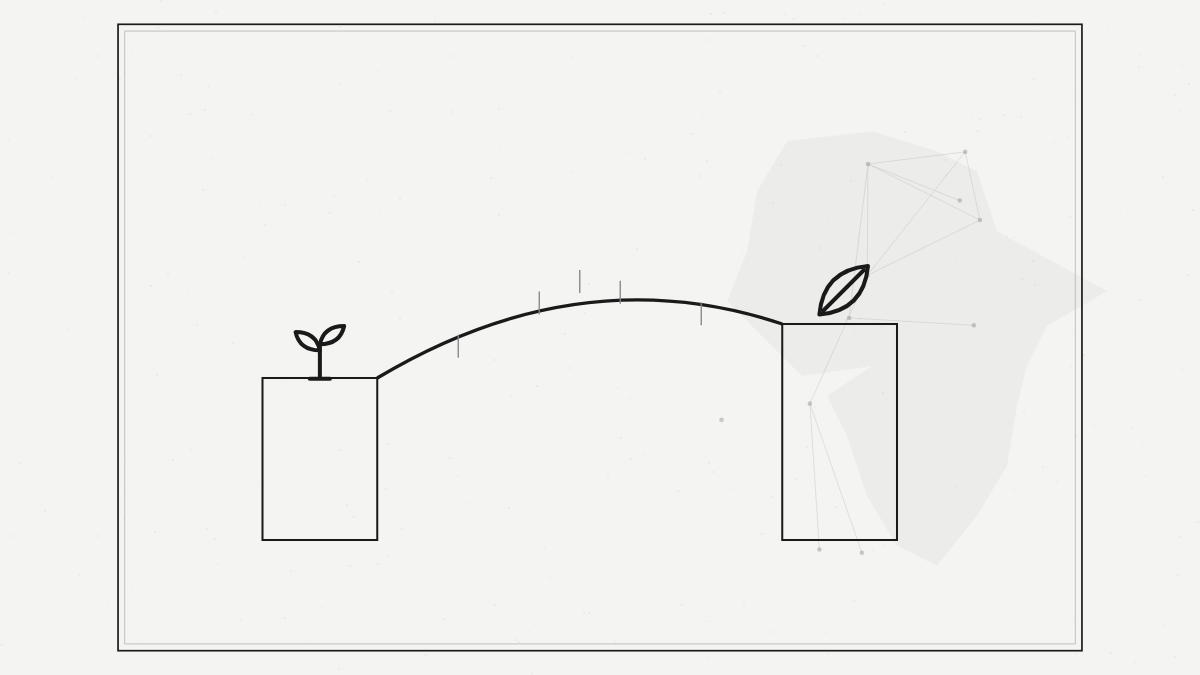
The recurring weakness is the transition from demonstration to diffusion. Techniques shown on a model plot must reach farmers who lack the inputs, credit or extension support to copy them. Where that bridge is missing, the centre becomes a showcase rather than a multiplier, and the promised modernisation stalls a field away from where it was demonstrated.
The ribbon on a demonstration centre is the easy half; sustained local operation is the hard half.
The shift: from food security to commercial export
What has genuinely changed across the two decades is the purpose. Early cooperation framed agriculture mainly as food security – raising local yields so African countries could feed themselves. The 2024 emphasis on a US$20 billion export target and on standardised demonstration zones reframes it as commerce: African farms as suppliers to the Chinese market, and as buyers of Chinese inputs, machinery and standards.
That shift is double-edged. Export orientation can lift farm incomes and pull investment into rural value chains that food-security projects never reached. It can also tilt land and water toward crops China wants rather than crops Africans eat, repeating a colonial-era pattern of producing for a distant market. Which outcome prevails depends on who owns the land and captures the margin, not on the summit text. The scale signalled by the 2024 plan makes the question urgent: 100,000 mu of standardised demonstration zones – about 6,667 hectares engineered to Chinese agronomic standards – plus a US$20 billion export target by 2030 implies a reorientation of meaningful tracts of farmland toward a single export market. On well-governed land with secure smallholder tenure that can raise rural incomes; on land acquired in opaque deals it can displace the very food crops the earlier cooperation was meant to protect.
Growing for export can enrich a farming sector or hollow out its food base, depending on who keeps the proceeds.
The so-what: judge the export target, not the input list
The cleanest test of agricultural modernisation is not the count of experts or centres but whether African farms sell more, at better value, into China – the US$20 billion 2030 target made concrete. Inputs are means, not ends. If that export line climbs mainly for Chinese intermediaries and large estates rather than for African producers and smallholders, the modernisation will be statistical, and the same chorus will simply be sung again at the next summit.
There is a constructive version of this story available, and it is not far off. If demonstration centres are paired with credit, extension services and farmer cooperatives that let small producers actually adopt the techniques, and if the export target is met by a broad base of African farms rather than a handful of foreign-owned estates, then two decades of repetition could finally compound into something durable. The pledge has been consistent; what has been missing is the connective tissue between the model plot and the ordinary field. Supplying that tissue is the African side's task, and the summit cannot do it from Beijing.
Modernisation is proven at the point of sale, not in the count of experts flown in.
Sources: FOCAC Beijing Action Plan 2025-2027, World Development (FOCAC agriculture review)