
Lifestyle – Culture & Leisure · Editorial
By Moakanyi Magazine · June 2026
Botswana's music scene is often described as emerging, as if its size were still in doubt. The numbers from the latest Botswana Musicians Union awards push back on that framing. In May 2026, the awards drew nearly 2,000 entries, with hip-hop artist Han C collecting six nominations.
As reported by allAfrica, that volume of submissions is the headline: a scene that can produce 2,000 entries is past the point of being called nascent. The figure describes supply – a deep bench of artists actively making and releasing work.
The Volume: 2,000 Entries as a Signal
Entry counts are a rough but honest gauge of a sector's depth. Nearly 2,000 submissions means a wide base of artists actively recording, releasing and competing – across genres, towns and budgets. The figure speaks to participation, the precondition for any industry that hopes to sustain itself commercially.
Volume at this level also implies infrastructure that already exists, even if it is informal: home studios, local producers, distribution through streaming and social platforms. A scene does not generate 2,000 competition entries without a working pipeline behind it. The base is there; the open question is what sits on top of it, and whether the value created flows back to the people doing the work.
A scene's health shows up in how many people enter, not just who wins.
The Standout: Han C and the Pull of Hip-Hop
Han C's six nominations mark a single artist's strong year and point to hip-hop's continued pull within the Botswana scene. Recognition concentrated on one name helps anchor the genre and gives younger artists a visible benchmark. It also gives the awards a story beyond the raw entry tally.
A dominant nominee plays a useful role in a young market: a reference point that fans, brands and bookers can organise around. Across the region, hip-hop has been the genre that most readily crosses borders and attracts commercial attention, and a Botswana artist clearing six nominations is the kind of local marker that such crossover usually starts from. The question is whether the structures exist to carry that momentum beyond a single awards cycle.
Every scene needs a name to point to; this year hip-hop supplied one.
The Comparison: Talent Ahead of Industry
Botswana's position is a familiar one across African music markets: the creative supply runs well ahead of the commercial machinery built to monetise it. Larger scenes on the continent moved past this stage only when collection societies, formal management and a touring circuit matured enough to turn streams and shows into reliable income. The 2,000 entries say Botswana has cleared the talent hurdle that many markets never do; the unfinished part is the same one those markets struggled with – building the business around the music.
Plenty of scenes have the talent; few build the industry to keep it.
The Gap: Recognition Versus Revenue
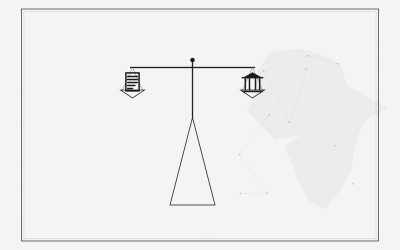
Participation and recognition are necessary but not sufficient. The harder questions for Botswana's musicians – streaming income, royalties, touring infrastructure and the institutions that collect and distribute earnings – sit beyond what an awards night can resolve. The BOMU platform proves demand and supply; converting that into livelihoods is the unfinished work.
This is where most African music markets stall: abundant talent, thin monetisation. The missing layer is commercial – reliable royalty collection, formal management, and venues and promoters who can turn nominations into paid tours. Until that scaffolding firms up, a record entry count measures enthusiasm more than income, and the artists carrying the scene carry it largely at their own expense.
Nominations validate talent; they do not yet pay it.
Nearly 2,000 entries is a strong base for an industry that still needs the commercial structure to match. The talent and the appetite are evidently there. For brands, broadcasters and promoters in Botswana, that base is an asset waiting to be developed – a ready supply of content and live acts that only needs the rails to run on. The next chapter is whether the institutions around the music can catch up to the volume of people making it.
Sources: allAfrica