Consumers – Digital Marketing & Social · Editorial
By Moakanyi Magazine · Global Issue · June 2026
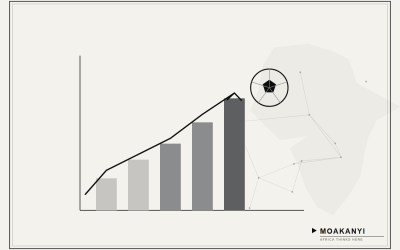
A menu is a price list disguised as a choice. Global food-price moves, tracked in the FAO Food Price Index, pass quickly into the kitchens of Botswana restaurants, caterers and hotels, where input cost decides which dishes still earn their place. The shift lands on the plate before it lands in the news.
Because Botswana imports much of its food, an international price swing in oils, grains or dairy lands on local plates with little delay. The operator who watches the index sees the squeeze before the supplier invoice confirms it, which in a business of thin margins and forward bookings is the difference between managing a cost and absorbing it. A caterer who quoted a wedding weeks ago cannot reopen the price; the index is the only early warning they get.
The menu is a cost-management tool
Caterers in Gaborone and hotels in Kasane can respond by reformulating dishes, adjusting portion sizes or shifting toward locally sourced ingredients when imports spike. The menu itself becomes the lever – a way to protect margin without raising every price at once and unsettling customers. A hotel printing a seasonal menu, or a restaurant setting a set-lunch price, needs that foresight built in rather than discovered late, because once printed the price is hard to move.
Read the global index, then redesign the menu before the invoice forces it.
The Botswana takeaway is to treat global food prices as an operating input, not distant news. In a tourism-linked hospitality sector where prices are often set far in advance, food-service operators who track the index and build flexible menus keep margin steady through the swings. Those who wait for the supplier to break the news absorb the cost instead of managing it, and in a thin-margin trade that absorbed cost is often the whole profit on the booking.
Sources: FAO