
Finance | Staff Writer | Moakanyi Magazine
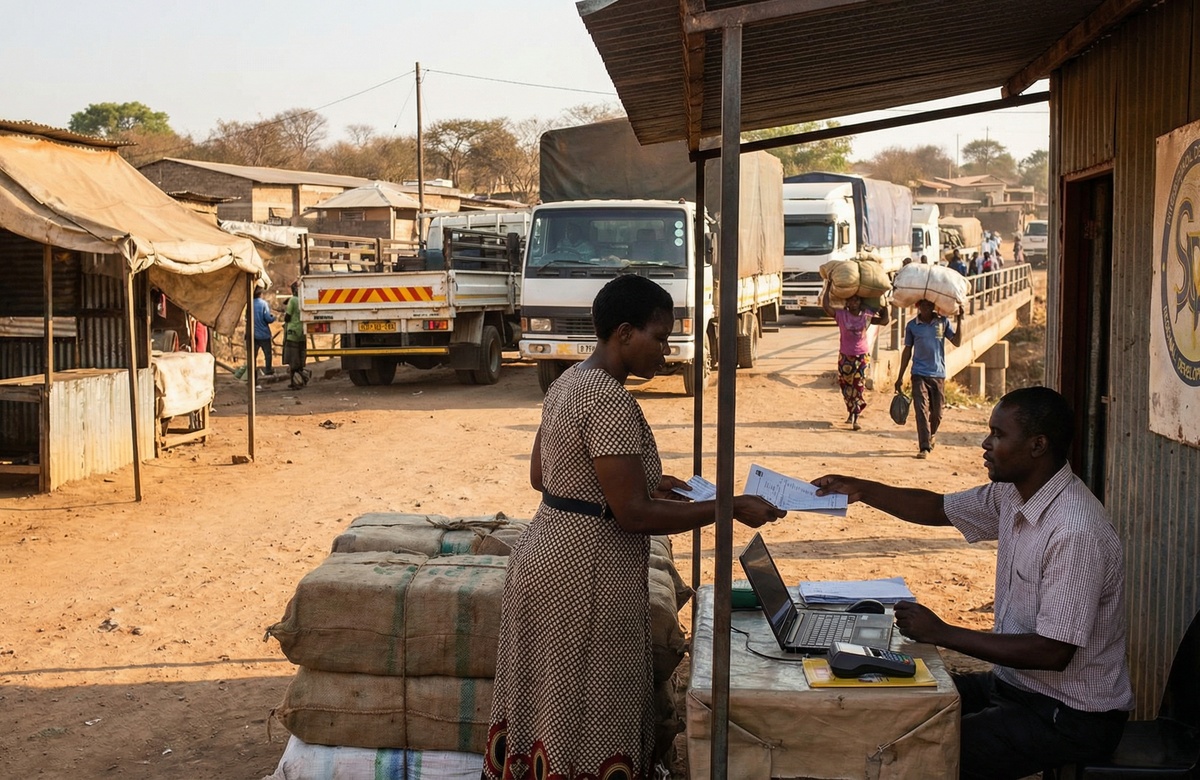
Regional trade plays a significant role in shaping the financial landscape for small businesses in Southern Africa. By fostering cross-border commerce, trade agreements and economic integration open new markets and create opportunities for small businesses to scale. However, regional trade also introduces unique financial challenges that require innovative solutions and strategies.
Expanding Market Opportunities
Regional trade agreements, such as the Southern African Development Community (SADC) Free Trade Area, reduce barriers to commerce by eliminating tariffs and simplifying customs procedures. These agreements provide small businesses with access to larger markets, enabling them to expand their customer base and increase revenue.
For example, a Namibian agribusiness exporting produce to Botswana benefits from streamlined trade processes, which reduce costs and delivery times. This expanded market access enhances the financial viability of small businesses and encourages investment in production and infrastructure.
Access to Trade Financing
Cross-border trade often requires access to trade financing solutions to manage the complexities of international transactions. Small businesses rely on instruments like letters of credit, export credit insurance, and invoice financing to bridge gaps in cash flow and reduce risks.
Regional development banks, such as the African Export-Import Bank (Afreximbank), play a crucial role in providing trade finance to small businesses. These institutions offer products tailored to the needs of SMEs, enabling them to compete effectively in regional markets.
Challenges in Cross-Border Transactions
While regional trade offers significant opportunities, it also presents challenges for small businesses. Currency fluctuations, differing regulatory frameworks, and logistical complexities can strain financial resources. For instance, delays in cross-border payments may impact cash flow, making it difficult for small businesses to meet their obligations.
Additionally, many small businesses lack the credit history or collateral required to secure trade financing. This limitation underscores the importance of developing innovative financial solutions that cater specifically to SMEs engaged in regional trade.
Leveraging Technology for Financial Solutions
Technology is transforming how small businesses manage finances in regional trade. Digital platforms and mobile payment solutions simplify transactions, reduce costs, and improve transparency. Blockchain technology, for example, ensures secure and traceable transactions, building trust between trading partners.
E-commerce platforms are also bridging gaps in regional trade by connecting small businesses to buyers across borders. These platforms integrate payment systems, logistics support, and marketing tools, enabling SMEs to participate in trade with minimal upfront investment.
Government and Institutional Support
Governments and regional institutions play a critical role in creating an enabling environment for small businesses engaged in regional trade. Policies that simplify licensing, reduce compliance costs, and promote access to financing encourage SME participation in cross-border commerce.
Programs like Botswana’s Export Development Program and Namibia’s Growth at Home initiative provide financial and technical support to small businesses seeking to enter regional markets. These initiatives enhance competitiveness and ensure that SMEs can navigate the complexities of regional trade.
Building Resilience Through Collaboration
Collaboration between governments, financial institutions, and private sector players is essential for addressing the challenges of regional trade. Shared trade policies, harmonized regulations, and accessible financing solutions can empower small businesses to thrive in a competitive environment.
Trade associations and cooperatives also provide valuable resources for small businesses, including training, networking opportunities, and collective bargaining power. By working together, stakeholders can ensure that regional trade benefits small businesses and contributes to inclusive economic growth.
A Path to Prosperity
Regional trade offers immense potential for small businesses, but realizing its benefits requires strategic planning and financial literacy. By leveraging trade financing, adopting technology, and engaging with supportive policies, small businesses in Southern Africa can capitalize on regional trade opportunities. This integration not only drives business growth but also strengthens the region’s economic resilience and prosperity.