
Lifestyle – Hospitality & Tourism · Editorial
By Moakanyi Magazine · June 2026
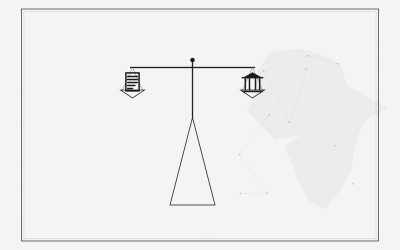
Who should decide whether a bar in Kanye opens, and for how long: the council that lives next to it, or a central office reachable by web form? That is the question under a March 2026 government plan to centralise liquor licensing and allow online permits – and Kanye district councillors have answered firmly for the local side.
Their objection is not to licensing as such. It is to where the decision sits, and what moving it away from the district might cost in oversight and trading hours. The dispute is small in scale and large in principle: it is a contest over how much discretion a Botswana district keeps when the centre offers to standardise.
The Stake: Local Knowledge Versus Central Efficiency
Centralisation has an obvious appeal – one standard, one process, fewer inconsistencies between districts, and a clear answer to the perception that local boards are slow or uneven. An online permit system promises faster turnaround and less discretion for things to go wrong or be captured. On efficiency grounds alone, the reform has a real case, and applicants who have waited months on a local board will feel its pull.
But liquor licensing is unusually local. The council knows which premises sit beside a school or a clinic, which have a record of complaints, which neighbourhood is already saturated with outlets. That knowledge does not travel well to a central queue, where an application is a form rather than a known address. Efficiency gained at the centre can be judgement lost at the edge – and with alcohol, the edge is where the social cost lands. The deeper worry is accountability: when something goes wrong at a licensed premises, residents currently know which local body answered for it; centralise the decision and that line of accountability lengthens until it frays.
A licence is only as good as the local knowledge behind it.
The Worry: Longer Hours, Less Control
The second concern is trading hours. The councillors fear the reform could bring longer hours alongside the loss of local control – two changes that compound. A district that no longer issues the permit also has less leverage over the conditions attached to it, including the hours a venue may trade and the terms it must observe.
Trading hours are where licensing meets daily life: noise, public safety, the load on local policing. Communities that bear those effects tend to want a say in setting them, and the district council is the body through which that say is exercised. Move the decision online and to the centre, and the say weakens even if no rule formally removes it – because the people most affected are furthest from the desk where the call is made. A standard hour set nationally cannot reflect that a township street and a tourist strip in Kasane carry very different consequences at two in the morning.
When the permit moves online, the neighbourhood's voice moves to the back of the queue.
The Pattern: Centre Versus District Across Botswana
The Kanye dispute is one instance of a tension that runs through Botswana's local government generally – the standing pull between national consistency and district discretion. The same argument recurs over land allocation, over development control, over who sets fees. Each time, the centre offers uniformity and speed; the district answers with proximity and context. Neither side is simply wrong, which is precisely why the contest keeps recurring.
For operators in the hospitality sector, the practical stakes are concrete. Centralised online permitting could mean faster, more predictable approvals – a genuine gain for anyone who has waited on a local board, and a lower barrier to opening a compliant venue. But it could also mean conditions set far from the premises, and a regime less responsive to local appeal when a specific case needs judgement. The reform's value will depend on whether it keeps a meaningful local voice in the loop or routes around it entirely.
Standardisation speeds the paperwork; the question is what judgement it speeds past.
Online permitting may well speed the process, and for licence applicants that is no small thing. The councillors' point is that speed is not the only value a licensing regime is meant to protect, and that the district is where the rest of those values – local knowledge, accountability, a say over hours – are best weighed. How Botswana resolves the Kanye objection will signal how it intends to balance the two across every district that follows.
Sources: allAfrica