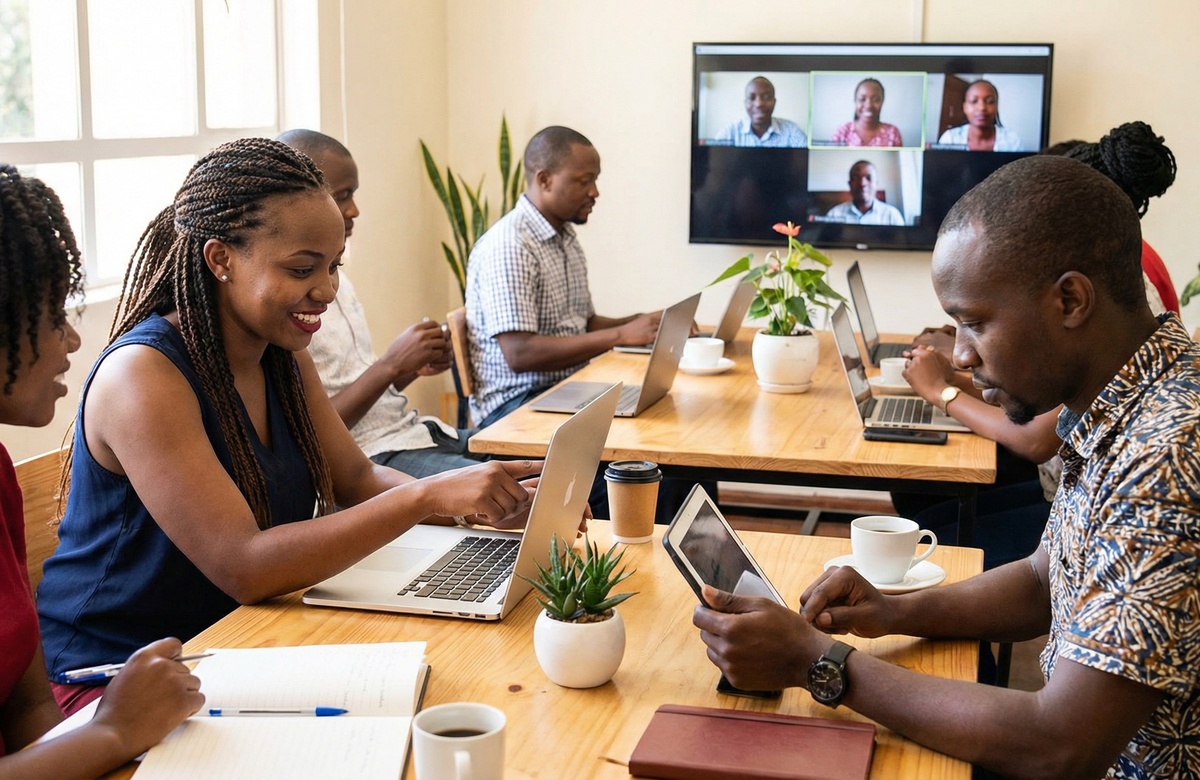

In today’s fast-evolving digital landscape, entrepreneurs in Southern Africa face both opportunities and challenges. While technology offers innovative tools to enhance business operations and reach broader markets, a lack of digital skills remains a significant barrier for many entrepreneurs in the region. Addressing this gap is essential for fostering inclusive economic growth and empowering businesses to thrive in the digital economy.
The Importance of Digital Skills for Entrepreneurs
Digital skills are no longer optional; they are fundamental to business success. From online marketing and e-commerce platforms to data analytics and financial management tools, technology has become integral to modern entrepreneurship. For Southern African entrepreneurs, mastering these skills can unlock numerous opportunities, such as accessing global markets, optimizing operational efficiency, and building brand visibility.
Entrepreneurs equipped with digital skills can leverage social media to engage customers, use e-commerce platforms to sell products, and employ analytics tools to make data-driven decisions. These capabilities are especially crucial in a region where mobile technology is rapidly growing, providing businesses with unprecedented connectivity and reach.
Challenges in Bridging the Digital Skills Gap
Despite the clear benefits, many entrepreneurs in Southern Africa face barriers to acquiring digital skills. Limited access to affordable internet, a lack of formal training opportunities, and inadequate infrastructure hinder skill development in rural and underserved areas. Additionally, traditional educational systems often lag behind in incorporating practical digital training, leaving many entrepreneurs unprepared for the demands of the modern business environment.
Language and cultural diversity across the region also play a role, as training materials and tools are often not localized, making them less accessible to non-English-speaking entrepreneurs.
Initiatives to Close the Gap
Governments, private organizations, and non-profits are stepping in to address the digital skills gap in Southern Africa. Programs such as Google’s “Digital Skills for Africa” and Microsoft’s “4Afrika Initiative” offer free or subsidized training in areas like digital marketing, coding, and business management.
Local initiatives, such as the Namibia Digital Transformation Centre, focus on equipping entrepreneurs with region-specific knowledge. These programs provide practical skills tailored to local business environments, ensuring relevance and applicability.
Leveraging Digital Skills for Growth
Entrepreneurs who invest in developing their digital skills can tap into transformative opportunities. E-commerce platforms like Shopify and WooCommerce enable small businesses to sell products globally, while digital advertising tools such as Google Ads help target customers with precision. Cloud-based accounting software like QuickBooks simplifies financial management, reducing overheads and improving efficiency.
Moreover, digital literacy empowers entrepreneurs to explore emerging technologies like blockchain, which can revolutionize industries such as logistics and finance by increasing transparency and efficiency.
A Path Toward Inclusive Growth
Closing the digital skills gap in Southern Africa requires a multi-stakeholder approach. Governments must prioritize policies that improve digital infrastructure, while educational institutions need to incorporate technology-focused curricula. At the same time, entrepreneurs must take proactive steps to upskill themselves, leveraging available resources and embracing lifelong learning.
By addressing the digital skills gap, Southern Africa can create a thriving entrepreneurial ecosystem that drives innovation, creates jobs, and fosters sustainable economic growth.
Sources:
AI Tools in Agriculture: https://www.mdpi.com/2079-9292/13/22/4362
IoT's Impact on Agriculture: https://link.springer.com/article/10.1007/s10462-024-11046-0
IoT in Farm Management Market Growth: https://www.agritechtomorrow.com/story/2024/11/beyond-traditional-farming-exploring-iots-19-billion-impact-on-agriculture-by-2032/16105