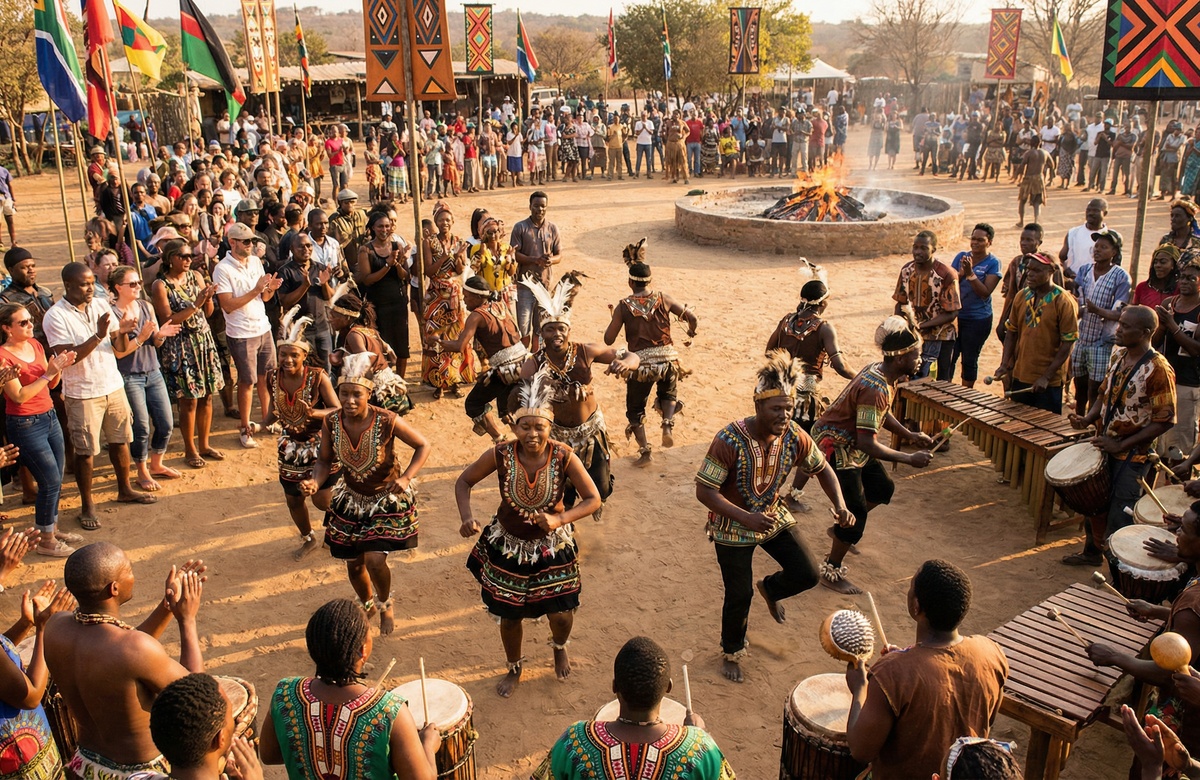

Cultural festivals are more than just celebrations; they are vibrant expressions of a community's heritage, values, and aspirations. In Southern Africa, where cultural diversity is a hallmark of regional identity, festivals play a crucial role in preserving traditions, fostering unity, and driving economic growth. These events not only honor the past but also shape the collective identity of regions, creating a sense of pride and belonging among participants and spectators.
Preserving Cultural Heritage
One of the primary purposes of cultural festivals is to preserve and celebrate heritage. Through music, dance, storytelling, and traditional ceremonies, these festivals provide a platform for passing down customs and values to younger generations. For example, Botswana’s Dithubaruba Cultural Festival showcases the rich history of the Bakwena people, featuring traditional songs, dances, and oral histories that have been preserved for centuries.
In Namibia, the Oshituthi shomagongo (Marula Festival), recognized by UNESCO as Intangible Cultural Heritage, celebrates the seasonal harvest of the marula fruit. Such festivals ensure that cultural practices remain vibrant and relevant, even in an increasingly globalized world.
Fostering Unity and Inclusion
Cultural festivals bring people together, fostering a sense of community and unity. By celebrating shared traditions, festivals help bridge divides across ethnic, linguistic, and social lines. They create spaces where individuals from diverse backgrounds can come together to celebrate common values and appreciate differences.
For instance, the Kuru Dance Festival in Botswana attracts performers and spectators from across Southern Africa, celebrating indigenous San culture. This cross-cultural exchange not only strengthens regional ties but also promotes mutual understanding and respect.
Driving Economic Growth
Cultural festivals are significant contributors to local economies. By attracting tourists, these events generate income for local businesses, including hotels, restaurants, and craft vendors. They also create opportunities for artists and performers to showcase their talents and earn livelihoods.
In Southern Africa, festivals like the Nama Cultural Festival in Namibia and the Maun Festival in Botswana are key drivers of cultural tourism. They highlight the region’s unique offerings, drawing international attention and investment. The economic impact extends beyond the duration of the festival, as it builds long-term awareness of the region’s cultural and tourism potential.
Shaping Regional Identity
Through their unique themes and activities, cultural festivals contribute to the shaping of regional identities. They serve as symbols of pride, reflecting the distinctiveness of a community’s history and way of life. These events become cultural landmarks, reinforcing a region’s reputation and fostering a strong sense of identity among its people.
For example, Botswana’s Khawa Dune Challenge and Cultural Festival combines adventure sports with cultural showcases, representing the dynamic spirit of the Kgalagadi region. Similarly, Namibia’s Windhoek Jazz Festival blends traditional and modern influences, illustrating the evolving identity of the country’s urban centers.
Adapting to Modern Challenges
While cultural festivals continue to thrive, they face challenges such as commercialization, loss of authenticity, and logistical hurdles. However, many communities are finding ways to address these issues by prioritizing local participation and ensuring that traditions remain at the heart of the festivities.
Technology also plays a role in adapting festivals to modern times. Live streaming, social media promotion, and digital ticketing systems allow festivals to reach broader audiences while maintaining their cultural essence.
Celebrating the Spirit of Community
Cultural festivals are more than events; they are expressions of identity, resilience, and unity. In Southern Africa, they serve as vital platforms for preserving heritage, fostering inclusion, and driving economic growth. By celebrating the richness of regional cultures, these festivals continue to shape and strengthen the identities of communities, ensuring that their legacies endure for generations to come.
Sources:
Call for Expressions of Interest: https://www.unesco.org/en/articles/call-expressions-interest-creating-future-harnessing-southern-africas-arts-and-cultural-festivals
The Authenticity of Cultural Festivals: https://www.academia.edu/124024743/The_Authenticity_of_Cultural_Festivals_as_Perceived_by_Host_Communities_A_South_African_Case_Study
Eventifying Identity: https://wiki.lib.sun.ac.za/images/7/7d/Hauptfleisch_Eventifying_2006.pdf