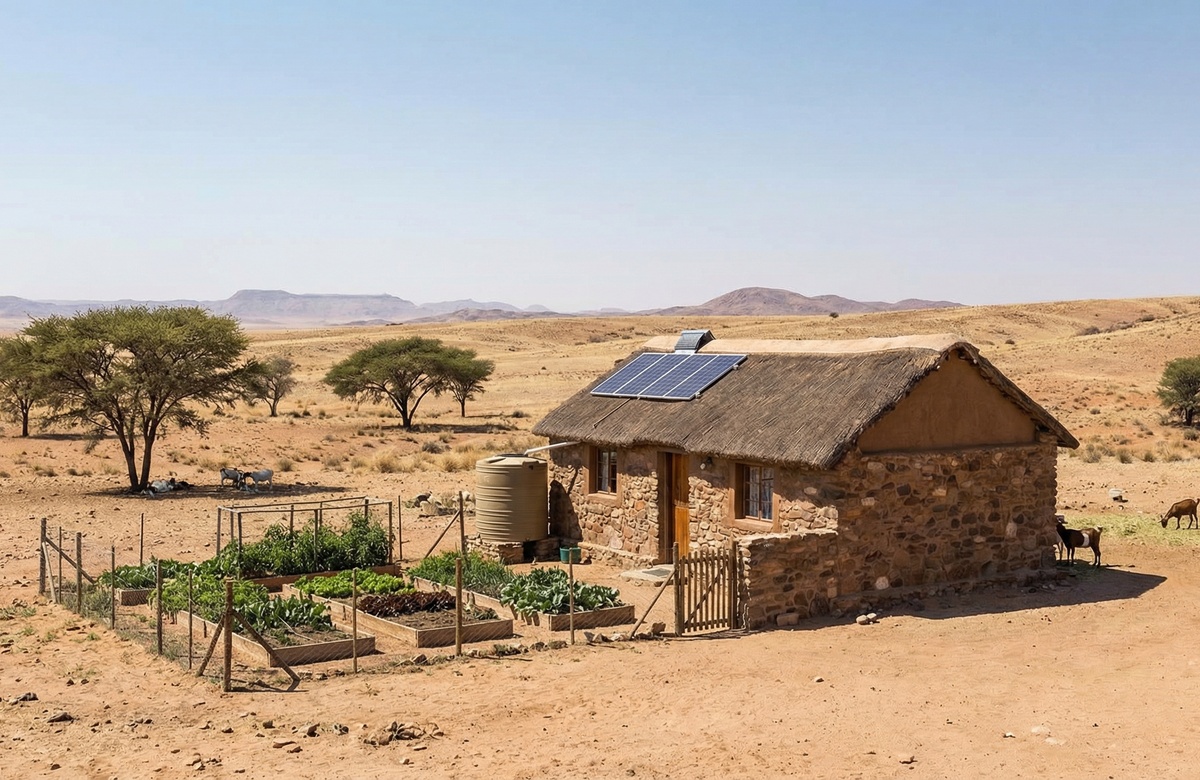

In the fast-paced modern world, the simplicity of rural life offers a refreshing perspective. In Southern Africa, rural communities embody a way of living that values connection, sustainability, and resourcefulness. These lessons, rooted in tradition and adaptability, hold valuable insights for anyone seeking a more balanced and fulfilling lifestyle.
Prioritizing Community and Relationships
Rural Southern Africa places a strong emphasis on community. In villages, life revolves around collective activities—whether it’s farming, ceremonies, or problem-solving. Relationships are nurtured through shared responsibilities and celebrations, creating a deep sense of belonging and support.
This communal approach teaches the importance of prioritizing relationships over material pursuits. Urban dwellers can draw inspiration from these practices by dedicating time to strengthen personal connections, participate in community events, and foster a network of mutual aid.
Embracing Resourcefulness
Rural living often requires making the most of limited resources. Households practice self-reliance by growing their own food, repurposing materials, and adopting energy-efficient habits. For example, traditional homesteads in Botswana and Namibia rely on locally sourced materials like thatch and mud for construction, showcasing sustainable building techniques.
Modern lifestyles can adopt similar principles by reducing waste, repurposing items, and supporting local industries. These practices not only save money but also reduce environmental impact, aligning with global sustainability goals.
Living in Harmony with Nature
In rural areas, life is closely intertwined with nature. The changing seasons dictate activities, from planting and harvesting to celebrating cultural festivals. This connection fosters a deep respect for the environment and a commitment to its preservation.
Urban residents can cultivate this harmony by spending time outdoors, planting home gardens, or supporting conservation initiatives. Simple acts, like conserving water and reducing energy use, reflect the mindful living that rural communities exemplify.
Finding Joy in Simplicity
Rural Southern Africa demonstrates that joy can be found in simple pleasures. From storytelling around a fire to communal meals under the stars, these moments highlight the beauty of slowing down and appreciating life’s small blessings.
Adopting a minimalist approach to life—focusing on experiences rather than possessions—can bring similar satisfaction. Practicing gratitude, disconnecting from technology, and dedicating time to hobbies or mindfulness are ways to embrace simplicity in daily life.
Preserving Culture and Traditions
Rural communities actively preserve their cultural heritage, passing down traditions through oral histories, music, and craftsmanship. These practices provide a sense of identity and continuity, even amidst modern challenges.
For those seeking inspiration, exploring one’s own cultural roots or learning about the traditions of others can foster a deeper appreciation of heritage. Supporting artisans, attending cultural festivals, and learning traditional crafts are ways to keep these legacies alive.
A Blueprint for Fulfillment
The art of simple living, as practiced in rural Southern Africa, offers a blueprint for a more intentional and balanced life. By prioritizing relationships, embracing resourcefulness, and finding joy in simplicity, individuals can create a lifestyle that is both meaningful and sustainable. These timeless lessons remind us that true wealth lies not in possessions but in the connections, experiences, and values that enrich our lives.
Sources:
The New Rural: Living in a Smart Agri Village: https://www.farmersweekly.co.za/agri-business/agribusinesses/the-new-rural-living-in-a-smart-agri-village
Sustainable Livelihood Approaches: https://www.peiglobal.org/sites/pei/themes/pei/kc_files/Goldman%202010.pdf
Eco Living – Sustain Me: https://www.sustainme.co.za/eco-living.html