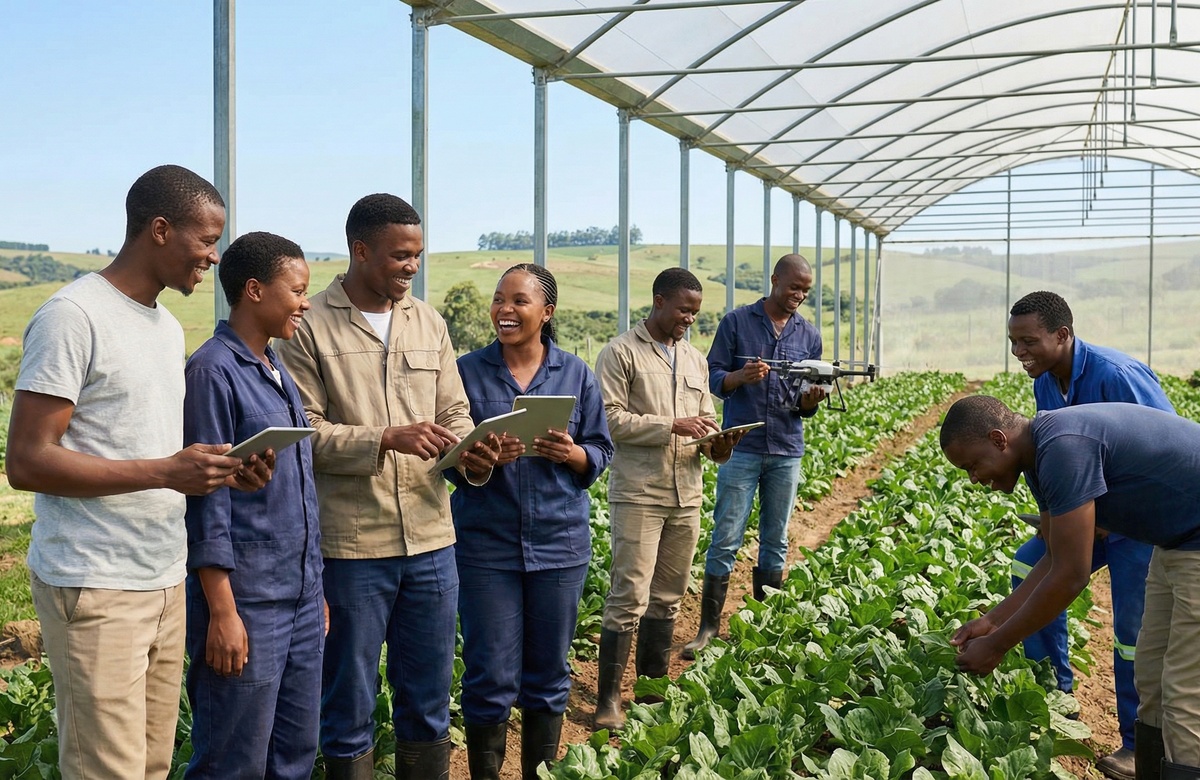

Agriculture, a cornerstone of Southern Africa’s economies, is undergoing a transformation, and young people are at the heart of this change. In countries like Botswana and Namibia, youth are stepping into the agricultural sector with innovative ideas, technology-driven solutions, and a renewed sense of purpose. Their involvement is not only revitalizing the industry but also addressing critical issues such as food security, unemployment, and rural development.
Redefining Agriculture for a New Generation
For decades, agriculture in Southern Africa was often associated with subsistence farming and labor-intensive methods. However, the narrative is shifting as youth redefine the sector through entrepreneurship and innovation. Modern agriculture now encompasses a wide range of opportunities, from agribusiness and agro-processing to tech-driven farming practices.
Young entrepreneurs are leveraging technology to increase efficiency and productivity. Drones for crop monitoring, IoT-based irrigation systems, and mobile apps for market access are becoming integral to farming operations. These advancements make agriculture more appealing to a tech-savvy generation, transforming it into a viable and lucrative career option.
Addressing Unemployment Through Agripreneurship
Unemployment remains a significant challenge for youth in Southern Africa. Agriculture offers a solution by creating opportunities for self-employment and enterprise development. Programs like Botswana’s Youth Development Fund (YDF) and Namibia’s Agribank initiatives provide financial support and training for young agripreneurs.
By establishing businesses in areas such as poultry farming, horticulture, and agro-processing, youth are generating income and creating jobs within their communities. This entrepreneurial spirit not only addresses unemployment but also fosters economic growth in rural areas.
Promoting Sustainable Farming Practices
The youth’s involvement in agriculture brings a fresh perspective on sustainability. Aware of the challenges posed by climate change and resource depletion, young farmers are adopting eco-friendly practices to ensure long-term productivity. Techniques such as conservation agriculture, organic farming, and renewable energy integration are gaining traction among young agriculturalists.
For instance, in Namibia, young farmers are utilizing solar-powered irrigation systems to conserve water and reduce operational costs. These sustainable practices not only protect the environment but also enhance resilience against climate variability.
Bridging the Gap with Technology
Technology is a game-changer in agriculture, and youth are leading the charge in its adoption. Mobile apps provide real-time weather updates, market prices, and farming tips, empowering young farmers to make informed decisions. Platforms like FarmDrive and AgriBora connect small-scale farmers with financial institutions, bridging the gap between agriculture and financing.
Social media also plays a pivotal role in creating awareness and sharing knowledge. Young farmers use platforms like Instagram and Facebook to showcase their successes, inspire others, and access global markets.
Overcoming Challenges
Despite their potential, young people in agriculture face significant challenges, including limited access to land, capital, and training. High startup costs and bureaucratic hurdles can discourage youth from entering the sector.
Governments and organizations must address these barriers by implementing policies that prioritize youth involvement in agriculture. Initiatives such as land reform, affordable financing, and targeted mentorship programs are essential for empowering the next generation of farmers.
The Future of Agriculture in Youthful Hands
The involvement of youth in agriculture signals a bright future for the sector. Their energy, creativity, and technological expertise are transforming traditional practices into innovative and sustainable solutions. By supporting young agriculturalists through education, funding, and infrastructure, Southern Africa can unlock the full potential of its agricultural sector.
As the youth continue to revitalize agriculture, they contribute not only to food security and economic growth but also to the resilience and sustainability of rural communities. Their role is pivotal in shaping a dynamic and prosperous future for agriculture in the region.
Sources:
Empowering Youth in Agriculture: https://www.ifad.org/en/youth-in-agriculture
Youth Development Fund in Botswana: https://www.gov.bw/youth-development-fund
Namibia’s Agribank Initiatives: https://agribank.com.na/youth-loans