
Property – Infrastructure & Megaprojects · Editorial
By Moakanyi Magazine · China-in-Africa · June 2026
Power generation, transmission and clean industrialisation are usually treated as three separate stories with three separate budgets and three separate ribbon-cuttings. They are better read as one chain: the output of each link is the input of the next, and a strong plant feeding a weak line feeding an idle factory is a system that fails at its weakest point, not its strongest. The continental challenge is less about any single link than about whether the links connect.
One chain, measured end to end
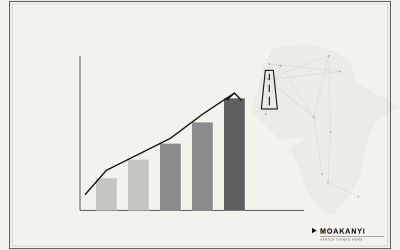
China's infrastructure tally bundles the first two links – 120 million kW of generating capacity and 66,000 km of transmission and distribution since 2000, on Beijing's count. As an attributed claim it is impressive on its own terms, but the figures describe means, not ends. The third link is the point of the exercise: power exists to be used, and the cleaner that power, the more an industrial base can grow without locking in emissions a young economy will struggle to undo later.
Generation is a means; an industry that runs on it is the end.
Read as a chain, the lesson is sequencing, and the failures are failures of timing. Capacity added ahead of the lines to carry it sits stranded; lines built ahead of demand sit underused; factories planned ahead of reliable power never start. Each mismatch wastes capital at the break, and where every dollar of financing carries interest, stranded value is debt serviced for an asset that earns nothing.
Value stranded at a broken link is capital borrowed and then left to idle.
The systems that compound are the ones where generation, transmission and industrial demand are planned to arrive together – one story, costed end to end, rather than three columns that never quite meet. For governments weighing Chinese-financed packages, that is the sharper test: not whether a deal adds a plant, a line or a park, but whether it closes the gap to the next link.
Sources: China State Council (FOCAC infrastructure), China MFA white paper