
Property – Retail & Commercial Property · Editorial
By Moakanyi Magazine · China-in-Africa · June 2026
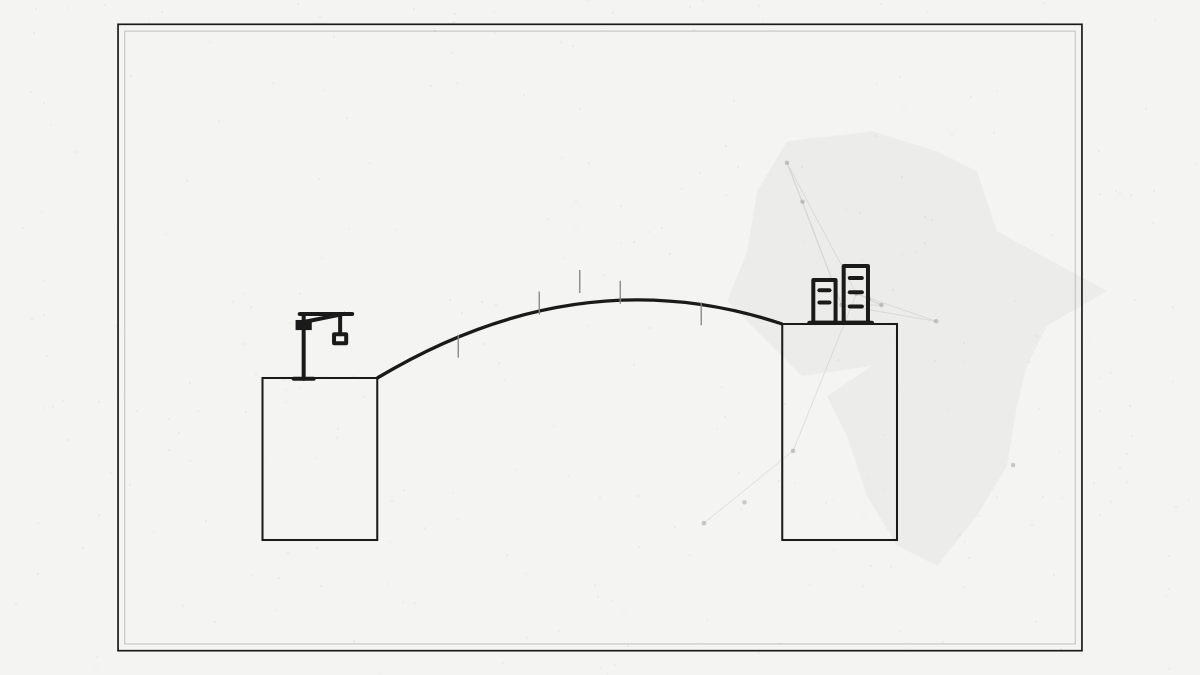
A corridor is marketed by its endpoints – port to capital, capital to capital. The growth it actually creates often shows up somewhere less photogenic: the market town at a junction halfway along, where a serviced road turns a weekly market into a daily one and a fuel stop into a depot. China's FOCAC framing counts almost 100,000 km of highways and nearly 100 ports built since 2000; the 2024 summit account leans on that tally as evidence of connectivity, measured in kilometres rather than in the towns those kilometres pass through.
Where the value settles
The retail-property logic is straightforward and under-reported. A reliable road lowers the cost of holding stock, so a trader can carry more lines; lower transport cost widens the catchment a shop can serve and shortens the time inventory sits idle. Beijing's figures describe the trunk routes; what they do not describe – and what the official account is not built to measure – is the warehousing, the roadside retail and the property value that accrete at the in-between nodes.
That omission matters because it is where a corridor either seeds a local economy or merely passes over it. A through-road with no off-ramp, no serviced plots and no power simply carries other people's goods past a town at speed. The same tarmac, with land and tenure attached, turns the town into a node. The infrastructure is identical; the local outcome is not.
The corridor is built for the endpoints; the growth often settles in the middle.
For property and retail along these lines, the practical question is not whether the flagship was financed in Beijing but whether the secondary town has the serviced land, power and clear tenure to capture passing trade. The road is the enabler; capture is local work, and it is governed by African land policy, not by the loan agreement that paid for the asphalt.
Sources: FOCAC 2024 Summit (MFA)