
Cabanga Platforms has opened magraft.com, a creative services platform on which businesses in Botswana, South Africa and Zimbabwe brief and pay the platform rather than the individual creative doing the work. The platform holds the client’s funds against the job, assigns a project manager to run it, and pays the creative only once the client has the finished files.
The distinction matters because it moves the risk. On a conventional freelance arrangement the client pays a deposit to someone they have no leverage over, and on the global freelance platforms they are asked to operate an account, a card and a dispute process in a currency and a timezone that is not theirs. On magraft.com the client’s agreement is with a registered company, and that company’s agreement is with the creative. How it works is set out in full on the site.
The problem it addresses
Small businesses across the region buy creative work constantly and have two bad options for it. An agency quote for a logo commonly runs to four figures, which is beyond a shop, a guesthouse or a hardware supplier. The alternative is to find someone locally, pay half up front and hope. When that works it is excellent value. When it does not, the deposit goes with the silence, and there is no contract, no recourse and no second option.
The mirror image of that problem sits on the other side. Independent designers, developers, writers and photographers in these countries are not short of skill. They are short of work that arrives already sold and payment that arrives without being chased. The result is that a large volume of skilled work in the region stays informal: no written brief, no payment guarantee, and no record of the job that anybody else will accept as evidence. The argument in full, with the official labour figures for the three countries and their sources, is set out at The Case.
magraft.com is built into the space between those two problems. It carries both risks so that neither side has to price a risk it cannot price.
How the platform is organised
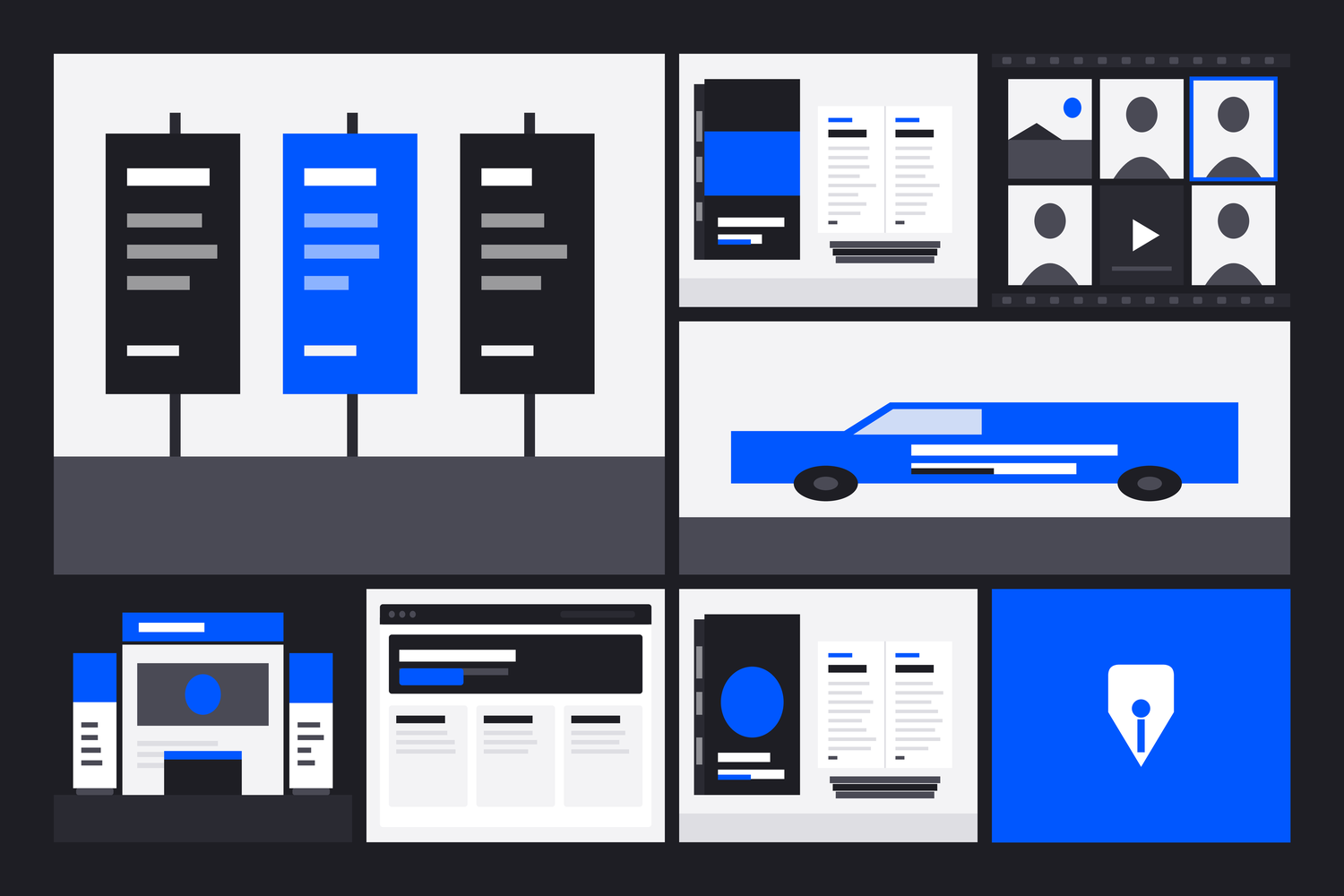
- Nine disciplines. Brand identity, graphic design, web development, copywriting, social media, photography and video, outdoor media, event media and book printing, with fifty six named jobs sitting underneath them. Outdoor, event and print carry production as well as design, which means printing, mounting, fabrication and installation rather than the artwork on file. The full taxonomy is at Disciplines.
- Four budget bands, in rand. R500 to R3,000, R3,000 to R6,000, R6,000 to R10,000, and above R10,000. Prices display in pula and US dollars at the rate of the day. The rate shown against a creative is that person’s own working rate rather than an opening position for negotiation; what moves a total is the scope of the job.
- Two ways to buy. A client who knows what they want made picks a named creative and briefs them. A client who knows the result but not the job titles uses Brief a project, describes the outcome in their own words, and is quoted a single figure for the whole thing rather than a price per person.
- An in-house studio, deliberately off the board. Identity programmes, platform builds, publication-grade editorial, campaigns and crewed production run through com Premium, which sits on its own page. Nine studio listings were removed from the public board on 7 August 2026 on the grounds that a platform should not rank its own studio above the independents who agreed to be listed on it.
The listing standard, and its limits
A creative must be able to show finished work without a meeting: a website, a Behance, a portfolio Instagram, or a shared folder that opens on a link. A person at magraft.com reads the portfolio against the disciplines the applicant has ticked, and for disciplines a portfolio cannot settle, the platform buys one small paid job and assesses how it comes back. Applications that are not cleared are not published, and applicants are told what was missing. The process is published at Get listed.
What that review does not establish should be stated plainly. It is a judgement about a body of work and about whether a person can take a brief and land it. It is not an audit of a business, a credit check, a criminal record check or a warranty of any individual’s conduct. Every listing carries a mark showing exactly what has been confirmed about it, and anything a creative says about themselves is recorded as declared rather than confirmed. At the date of this release the confirmation system is not yet deployed, so every listing on the board reads as not confirmed. What the client is asked to rely on is not the individual’s status. It is the platform’s contractual undertaking, set out in the terms.
The guarantee
The undertaking is one sentence: the job is completed through replacement or in-house production, or the money is returned. Digital work is completed against the agreed brief, because everything needed to finish it sits inside the platform’s own network. Physical production, meaning print, billboards, mounting, fabrication, wraps, stands, event builds, book printing, transport and installation, is guaranteed for completion of everything within the platform’s control and refunded for anything not delivered. Dates on physical work are expressly not warranted, because they depend on printers, materials, venues, permits and weather.
Complete delivery is guaranteed in Botswana, South Africa and Zimbabwe, those being the three countries in which the platform holds the network, the project managers and the payment rails to stand behind it. Work is accepted from elsewhere and assessed case by case, and the client is told before paying what the platform can and cannot stand behind.
“Nobody here works on trust alone, and that is exactly why the work lands. A small business should not have to gamble a deposit to find out whether a designer is going to answer the phone, and a good designer should not have to chase an invoice for ninety days to get paid for work already delivered. We put a company in the middle that carries both risks. If a creative drops a job, that is our problem to solve, and we solve it out of our own studio rather than sending the client back to start again.”
[FOUNDER NAME TO CONFIRM], Cabanga Platforms
Why Cabanga Platforms is building it
magraft.com is not a new idea attached to a media company. The Cabanga group publishes twelve regional business magazine editions across the continent, and doing so every month requires designers, writers, photographers and layout people in several countries at once. Finding those people, testing them, keeping them and paying them is how the group grew. The platform opens that same network to clients, with magraft.com carrying the contract and the guarantee. The background is at The Network.
The commercial logic is that both sides of the marketplace already sit inside the group’s existing audience: the magazines are read by the business owners who buy this work, and produced by the creatives who supply it. The platform is commercial rather than donor funded, and it is described in full at About magraft.com.
Availability and cost
- Open now in Botswana, South Africa and Zimbabwe. Clients start at com/brief-a-project and pay nothing on the site; a figure is confirmed in writing first.
- Jobs start from R500. There is no client account, no subscription and no platform fee charged to the client.
- Creatives apply at com/get-listed. There is no listing fee, no subscription and no bidding, and payment is made on delivery from funds the platform already holds.
- Programme-scale work is quoted as a single figure at com/premium.
- Jobs are run on WhatsApp by a magraft.com project manager, on +267 78 467 445 in Botswana and +27 69 342 8500 in South Africa. Zimbabwe and the wider region are served on the Botswana line.
Reporting
From its first full quarter of trading the platform will publish briefs routed and completed, total value paid to creatives by country, average days from approved brief to delivery, how many creatives earned and how many earned more than once, and how many jobs the platform had to finish itself. It will not count a listing as a job, will not count an enquiry as work, and will not present commercial revenue as development impact. No jobs-created figure is being published before the jobs exist.
About magraft.com
magraft.com is a managed creative marketplace for African businesses. Clients brief and pay magraft.com rather than the freelancer; the platform holds the funds, manages the job and pays the creative on delivery, and completes the work in-house if the creative does not. Graft is Zimbabwean street lingo for work. Magraft is the plural.
About Cabanga Platforms
Cabanga Platforms is the digital platforms arm of the Cabanga group, a pan-African business media and digital infrastructure operation registered in Botswana, which publishes twelve regional business magazine editions across the continent. magraft.com is built and owned by Cabanga Platforms.
Media contact
info@magraft.com · +267 78 467 445 · magraft.com. Interviews with listed creatives, and the underlying labour figures with their sources, are available on request.