
Navigating property laws in Botswana can be a complex process for individuals and businesses, especially those new to the country’s legal system. Understanding the framework of property ownership, land acquisition, and related regulations is essential for making informed decisions and avoiding potential pitfalls. This guide provides an overview of Botswana’s property laws and practical steps to ensure compliance.
Types of Property Ownership in Botswana
Botswana recognizes three primary types of property ownership: freehold, leasehold, and communal land. Each category has distinct characteristics and legal implications:
Freehold Ownership: This is the most comprehensive form of property ownership, allowing individuals or entities to own land indefinitely. Freehold properties are mainly found in urban areas and are typically acquired through purchase.
Leasehold Ownership: Under leasehold arrangements, individuals or businesses lease land from the state for a specified period, usually 50 or 99 years. Leaseholders must comply with the terms of their lease agreements and renew them upon expiration.
Communal Land: Managed by tribal authorities, communal land is allocated for residential or agricultural use. Individuals may occupy and use this land but do not own it outright. Tribal land rights are governed by customary laws and require approval from local chiefs or land boards.
The Land Acquisition Process
Acquiring property in Botswana involves several steps, depending on the type of ownership. Here’s an overview of the process:
Conduct Due Diligence: Before purchasing or leasing property, conduct thorough research to verify land ownership, zoning restrictions, and any existing encumbrances. Engaging a qualified conveyancer or lawyer is highly recommended.
Obtain Permissions: Foreign nationals and entities must obtain permission from the Ministry of Land Management, Water, and Sanitation Services before purchasing freehold land. For leasehold or tribal land, approval from relevant land boards or authorities is required.
Draft a Sale Agreement: For freehold properties, the buyer and seller must sign a legally binding sale agreement outlining the terms and conditions of the transaction.
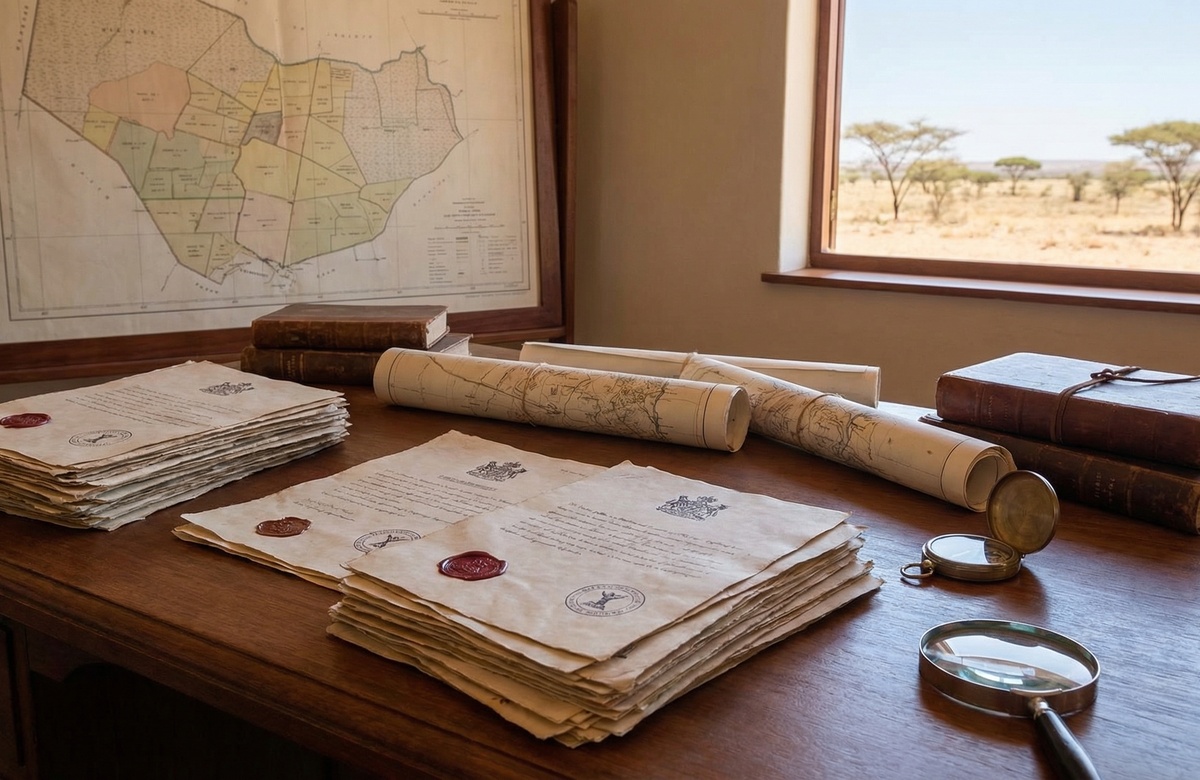
Register the Property: Once the sale agreement is finalized, the property must be registered with Botswana’s Deeds Registry. This step is crucial for securing legal ownership and protecting against disputes.
Key Regulations and Compliance
Botswana’s property laws emphasize transparency and compliance. Key regulations include:
Land Control Act: Governs transactions involving agricultural land and ensures its sustainable use.
Town and Country Planning Act: Regulates land development and zoning to promote orderly urban and rural growth.
Deeds Registry Act: Establishes the legal framework for registering property transactions and safeguarding ownership rights.
Understanding these laws and adhering to their provisions is essential for successful property ownership in Botswana.
Challenges and Considerations
Navigating property laws in Botswana may present challenges, such as lengthy administrative processes and inconsistent enforcement of regulations. Additionally, foreign investors may face restrictions on land ownership, requiring them to lease rather than purchase property.
To mitigate these challenges, prospective buyers and leaseholders should seek professional guidance and stay informed about legal updates. Engaging with local land boards and legal experts ensures a smoother acquisition process.
Building a Secure Future in Botswana
Property ownership is a valuable investment and a cornerstone of economic development in Botswana. By understanding the legal framework, conducting due diligence, and complying with regulations, individuals and businesses can navigate property laws effectively. Whether purchasing, leasing, or developing land, informed decisions pave the way for long-term success in Botswana’s dynamic property market.
Sources:
Real Estate and Property Law in Botswana: https://generisonline.com/real-estate-and-property-law-in-botswana-a-guide-for-investors
Understanding Property Ownership Rights in Botswana: https://generisonline.com/understanding-property-ownership-rights-in-botswana
Access to Laws of Botswana: https://www.gov.bw/law-crime-and-justice/access-laws-botswana