
Sustainability is becoming a defining feature of real estate development worldwide, and Namibia is no exception. With its unique environment and pressing resource challenges, Namibia is embracing sustainable practices in real estate to promote environmental preservation, energy efficiency, and economic growth. From residential buildings to commercial complexes, sustainable development is shaping the future of Namibia’s real estate sector.
The Importance of Sustainable Real Estate
Sustainable real estate development prioritizes long-term environmental, social, and economic goals. By incorporating energy-efficient technologies, eco-friendly materials, and resource conservation techniques, sustainable practices reduce the environmental impact of buildings while lowering operational costs.
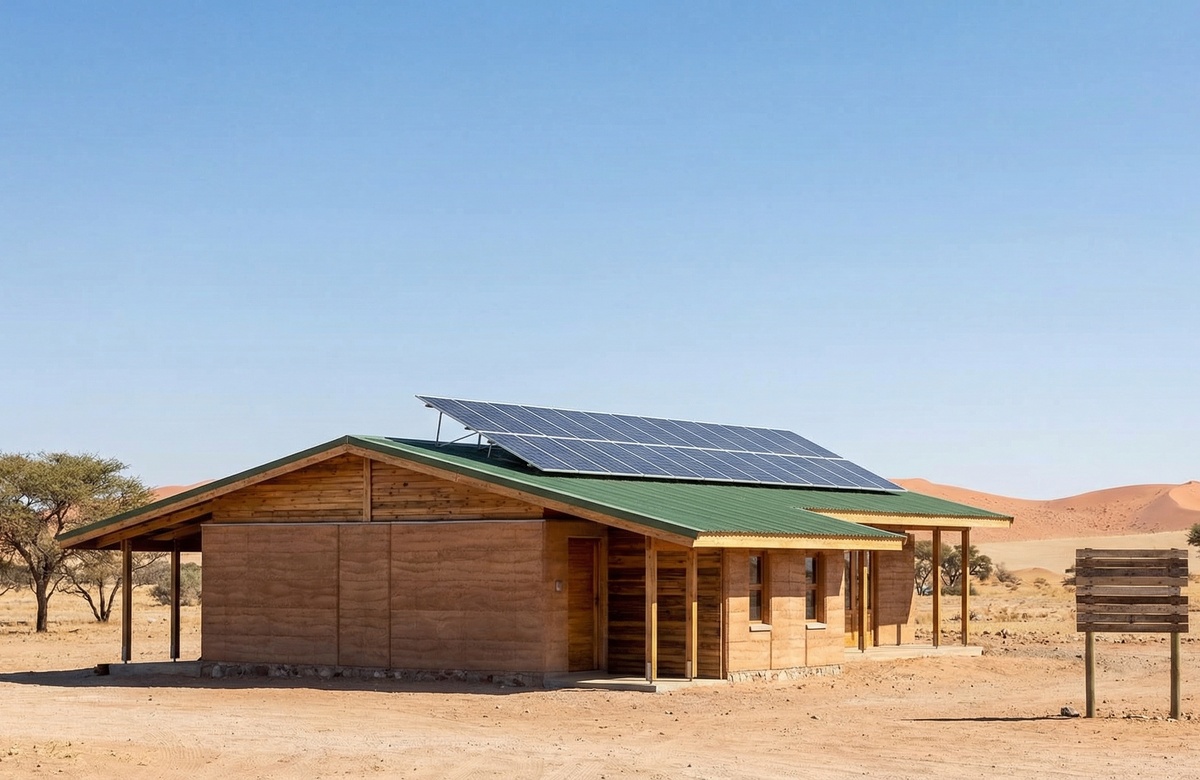
In Namibia, where water scarcity and energy dependence are significant challenges, sustainable real estate addresses these issues by integrating innovative solutions such as solar energy systems and water recycling technologies. These developments not only enhance resilience but also align with global efforts to combat climate change.
Innovations in Sustainable Real Estate
Namibia’s real estate developers are adopting various sustainable practices to create eco-friendly and energy-efficient buildings:
Renewable Energy Integration: Solar power is widely used in residential and commercial properties, reducing reliance on grid electricity and lowering energy costs. Solar geysers and photovoltaic panels are becoming standard features in new developments.
Water Conservation Systems: Rainwater harvesting and greywater recycling systems are being incorporated into building designs to address water shortages. These systems ensure efficient water use while maintaining landscaping and sanitation needs.
Eco-Friendly Materials: Developers are opting for sustainable building materials such as locally sourced bricks, bamboo, and recycled steel. These materials minimize the carbon footprint of construction projects.
Green Certifications and Standards
To ensure accountability and encourage sustainable practices, Namibia is adopting green building certifications and standards. Programs like the Green Building Council of Namibia promote environmentally responsible construction by setting benchmarks for energy efficiency, water conservation, and waste management.
Properties that meet these standards not only attract environmentally conscious buyers and tenants but also enjoy lower operational costs and higher market value. Developers are recognizing the economic benefits of green certifications as they cater to a growing demand for sustainable living and working spaces.
Economic Benefits of Sustainability
Sustainable real estate development contributes to Namibia’s economic growth by creating jobs, attracting foreign investment, and reducing reliance on imported energy. By fostering local industries that produce eco-friendly materials and technologies, sustainable practices support economic diversification and resilience.
For example, solar energy companies and water management firms benefit from the increasing demand for sustainable solutions, creating a ripple effect across the economy. Additionally, green buildings enhance Namibia’s appeal as a destination for eco-tourism and sustainable business operations.
Overcoming Challenges in Sustainable Development
While the benefits of sustainable real estate are clear, developers face challenges such as high upfront costs, limited access to financing, and inadequate awareness of sustainable practices. Addressing these barriers requires collaboration between the government, private sector, and financial institutions.
Policies that provide tax incentives, subsidies, and low-interest loans for green projects can encourage adoption. Public awareness campaigns and training programs for architects, engineers, and developers are also critical for advancing sustainable real estate practices.
A Greener Future for Namibia
Sustainable real estate development is not just a trend—it is a necessity for Namibia’s future. By integrating eco-friendly practices and prioritizing energy and water efficiency, the real estate sector can contribute to environmental preservation and economic growth. As Namibia continues to innovate and adopt green standards, it sets an example for sustainable development in Southern Africa and beyond.
Sources:
How Smart Construction Could Ease Namibia’s Housing Crisis: https://www.weforum.org/stories/2021/10/how-innovative-construction-ease-namibias-housing-crisis
Economic Developments Shaping Namibia’s Property Market: https://www.seeff.com/news/namibia-property-market-developments
Residential Real Estate – Namibia | Market Forecast: https://www.statista.com/outlook/fmo/real-estate/residential-real-estate/namibia