
Property – Construction & Engineering · Editorial
By Moakanyi Magazine · June 2026
The donkey cart is a familiar sight on many rural routes, dependable and cheap, but ill-suited to ferrying children to school. In April 2023, education authorities directed schools to replace donkey carts with safer transport, citing both road safety and animal-welfare concerns. The directive marks a quiet shift from improvised arrangements toward a more formalised approach to student transit, and it carries implications well beyond the classroom.
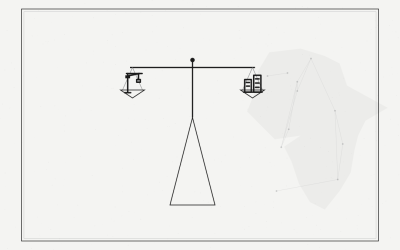
The Trade-off: Affordability Against Safety
Donkey carts have filled a real gap where formal transport networks thin out, particularly across remote settlements. The directive to retire them in favour of safer options acknowledges that gap while drawing a line on the methods used to bridge it. Safety for pupils and welfare for working animals were named together as the grounds for the change, pairing a child-protection concern with an ethical one.
Replacing an established low-cost method raises a practical question that the directive itself sets in motion: what fills the space the carts leave. A move toward safer, more accountable transport implies investment in vehicles, routes, maintenance and oversight, the kind of procurement and logistics work that formalisation tends to require, and a recurring operating budget to keep it running once the vehicles are bought.
The cheapest option and the safest option are rarely the same one.
For operators, the directive reads as the opening of a small but real market: contracted school transport across dispersed rural areas, where distance and low passenger density make conventional models hard to price. Whoever solves that economics problem, through pooled routes, subsidised contracts or shared municipal fleets, gets to scale it. The directive sets a standard; meeting it across scattered rural schools is the longer task, and it will be measured less by the policy than by what reliably arrives at the school gate each morning.
Sources: allAfrica