
Economics – Industry & Resources · Editorial
By Moakanyi Magazine · June 2026
Kasane is known for what passes through it – tourists on their way to the Chobe River, trucks on the corridor between four countries. Less of its economic value stays behind. The Special Economic Zones Authority and First National Bank Botswana are pitching a different role for the town: not a viewing platform but a working node in regional trade.
That is the proposition behind Chobe Connect, a 30-31 March 2026 investor conference framing Kasane as a gateway for agro-industrial value chains, logistics and tourism anchored by the Pandamatenga Special Economic Zone. The pitch is geographic before it is financial: Kasane already sits on the routes that matter, and the conference asks investors to treat that position as a manufacturing and processing opportunity rather than a scenic one.
The Setting: A Town Built on Transit
Kasane sits where Botswana, Zambia, Zimbabwe and Namibia meet, a short distance from the Kazungula crossing. Geography has always made it a corridor. The question SEZA and FNB Botswana are putting to investors is whether the corridor can hold industry as well as carry it – whether goods can be processed near the border rather than simply moved across it.
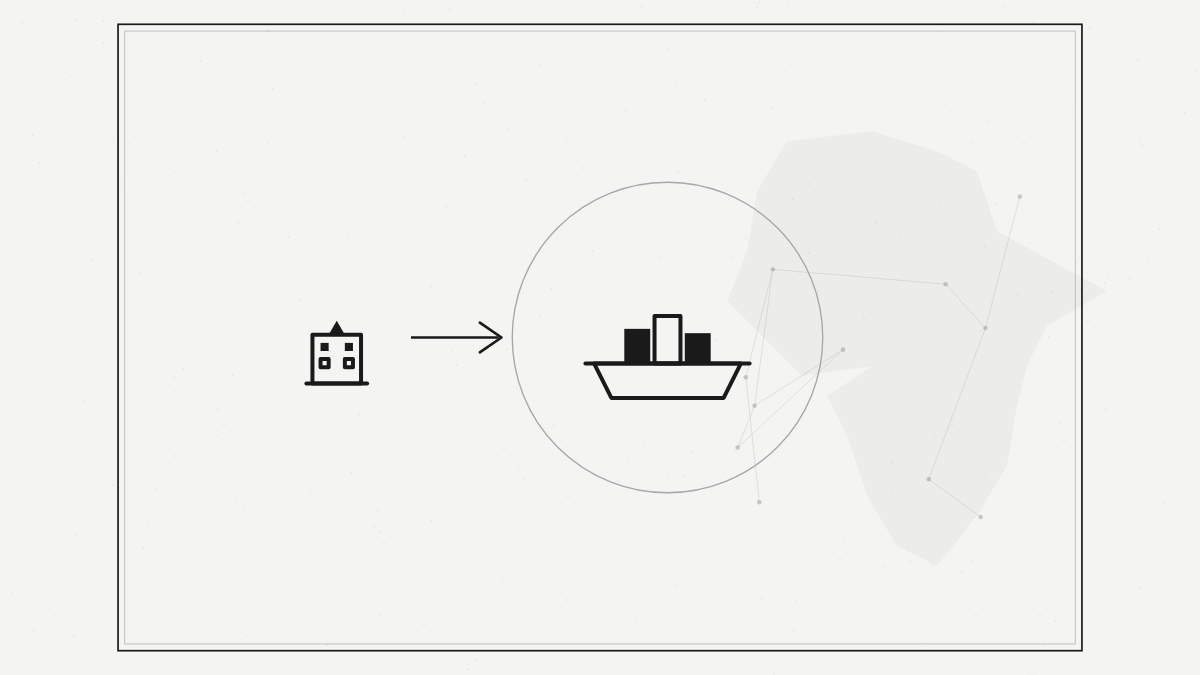
The distinction is not academic for a landlocked economy. Botswana's trade reaches the sea through its neighbours, and the towns along those routes capture value mainly through fuel, lodging and haulage services. Converting transit into processing means intercepting goods at the border and adding work to them – milling, grading, packing – before they continue. That is the difference between a town that services trade and one that participates in it.
A border town's advantage is wasted if everything it touches keeps moving.
The Anchor: Pandamatenga's Farmland
Pandamatenga is Botswana's main commercial grain belt, and the SEZ designation is meant to turn that raw output into something with more value added before it leaves the country. Agro-industrial value chains – milling, processing, packaging – are the clearest fit for a zone built next to farmland. The conference pairs that with logistics and tourism, the two activities Kasane already understands.
The logic mirrors a wider continental ambition. Africa exports a large share of its agricultural output in raw form and imports it back processed, surrendering the margin in between. Botswana's own diversification literature has long named agro-processing as a priority precisely because it captures that margin at home and creates the kind of semi-skilled employment a grain belt can sustain through the season. A processing cluster at Pandamatenga is, in miniature, that strategy made physical.
An SEZ works by concentrating incentives and infrastructure in a defined area so that firms locate where the state wants industry to form. The model only delivers if tenants actually arrive, which is what an investor conference is for: converting a designation on a map into signed commitments.
A zone is a promise until the first tenant pours concrete.
The Comparison: Lessons From the Region's Zones
Special economic zones have a mixed record across SADC. Where they have worked – serviced land, reliable power, customs that move at commercial speed – they have pulled in manufacturers who would otherwise locate at a coast. Where they have stalled, it has usually been because the incentives existed on paper but the infrastructure and administration did not. The Pandamatenga proposition will be judged on which side of that line it falls, and Kasane's distance from major centres makes the infrastructure question sharper, not softer.
The AfCFTA backdrop raises the stakes. As tariff barriers within Africa come down, the advantage shifts to producers who can move processed goods across borders cheaply and reliably, which is exactly what a well-run zone at a four-country junction is built to do. Kasane's pitch is that it can serve not one national market but a regional catchment reaching into Zambia, Zimbabwe and Namibia. That is the upside the conference is selling; the constraint is whether the hard infrastructure matches the geographic logic.
The region has proven that a zone lives or dies on power, roads and customs, not on incentives alone.
The Test: Confidence Versus Commitment
Pairing SEZA with a commercial bank signals an intent to move beyond public planning into bankable projects. FNB Botswana's involvement matters because the gap in most zone strategies is not vision but finance – the patient capital that builds a processing plant before the demand is proven. A bank at the table changes the conversation from policy to credit terms.
For Botswana operators, the practical read is straightforward. A logistics firm, a grain processor or a packaging business weighing where to expand now has a designated zone, a financier and a state authority pointing them at one place. Whether that combination lowers the real cost of building in Kasane – land, power, customs clearance, skilled labour – is the question that determines if the March conference produces tenants or testimonials. The operator's calculation is unromantic: does locating here beat locating on a coast or in an established industrial node closer to Gaborone.
The corridor already moves goods. The work now is to make some of them stay.
For Botswana, Chobe Connect is a small but pointed experiment in industrial geography. If Kasane can convert its position into processing and logistics rather than passage alone, it offers a template for other border towns in the SADC interior – places whose value has always been measured in what crosses them. The measure of the March conference will not be attendance but what gets built in Pandamatenga in the years after it, and whether the firms that show up sign or simply visit.
Sources: Botswana Gazette