
Economics – Macro & Markets · Editorial
By Moakanyi Magazine · Global Issue · June 2026
Africa is routinely called the next growth engine and routinely told to brace for the next shock – and both descriptions are true at once. The IMF's Africa chief set out the continent's long-run potential even while warning about the near-term jolts that keep arriving. For Botswana, the task is to hold both ideas without letting either one win, because planning on the promise alone is naive and planning on the shocks alone is paralysing.
The near-term warning is concrete. The World Bank cut its global growth outlook and flagged a sharper drop if conflict fallout spreads, a reminder that the engine narrative coexists with real downside. A small economy cannot plan on potential alone, and a continent's long-run promise does little for next year's budget if the near term brings a contraction.
The long run: demography and demand
The case for Africa as a growth engine rests on structure – a young and growing population, urbanisation, and rising demand for everything from minerals to services. For Botswana, that long-run market is the AfCFTA opportunity: a continental customer base for goods and services beyond the diamond trade, if the country can build the supply to serve it. The demography is genuine, and it points to decades of expanding demand on Botswana's doorstep.
But potential is not a delivery date. Botswana's place in that engine depends on whether it can build the non-diamond capacity – beef, tourism, light manufacturing, services – that the continental market will actually buy. The tailwind is real, but it is a market waiting to be served, not a transfer waiting to arrive, and only an economy with something to sell captures it.
Potential is a market, not a payment.
The near term: shocks that arrive on schedule
The warning half matters more for the next budget. Slower global growth and the risk of conflict fallout press on diamond demand, on tourism arrivals through Maun and Kasane, and on the prices Botswana pays for imported fuel and food. The engine may be long-run, but the shocks are this year, and they land on a fiscus already strained by a soft diamond market.
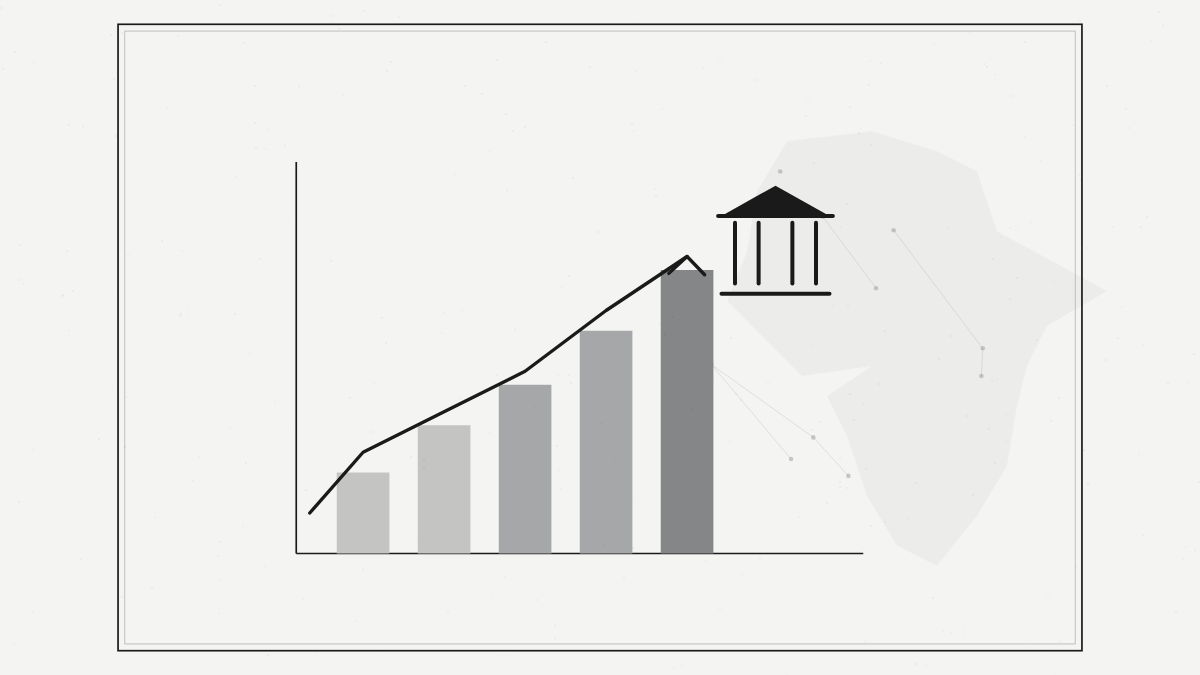
The prudent posture is to bank the optimism and provision for the volatility. Bank of Botswana reserves and a cautious fiscal stance are what let a small economy ride out the near-term jolts long enough to reach the long-run upside. A country that spends as if the growth-engine story were already cash will not survive to collect it.
Survive the near term and the long term becomes yours to claim.
Holding both truths at once
The discipline the IMF framing demands is to act on the long run while insuring against the short. For Botswana that means continuing to invest in diversification – the capacity that the continental market will reward – even in a year when caution argues for restraint, because the investments that capture the long run have to be made before the long run arrives.
It also means refusing the false comfort of the headline. Being told you are the next growth engine is flattering and, taken alone, dangerous; pairing it with the shock warning is what turns a slogan into a strategy. Botswana's planners should read both halves of the sentence as a single instruction.
The promise and the warning are one sentence; plan for both clauses.
Botswana's particular version of the bet
The continental story lands on Botswana with a local twist. Its assets – diamonds, beef, tourism and a stable institutional record – are valuable in the long run but exposed in the short, which makes the country an unusually clean test of the IMF's two-sided message. The same tourism arrivals that the growth-engine narrative promises are the first thing a near-term shock takes away.
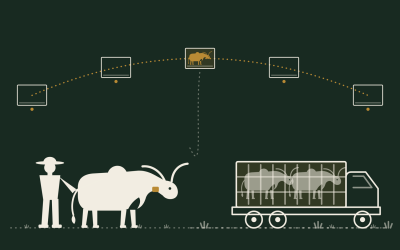
That argues for a portfolio approach to the bet. Botswana can lean into the long-run market through AfCFTA-oriented capacity in beef and services while keeping the reserves and fiscal caution that absorb the near-term jolts. The two are not in tension; they are the offence and the defence of the same plan, and a small economy needs both on the field.
Lean into the long market with one hand and hold the reserve with the other.
The so-what for Botswana is to treat the growth-engine story as a destination and the shock warnings as the road. The country reaches the first only by respecting the second – planning for downside while building the capacity that the continental market will reward, so that when the long run finally pays, Botswana has something ready to sell into it and the reserves to have survived the trip.
Sources: Reuters