
Economics – Macro & Markets · Editorial
By Moakanyi Magazine · Global Issue · June 2026
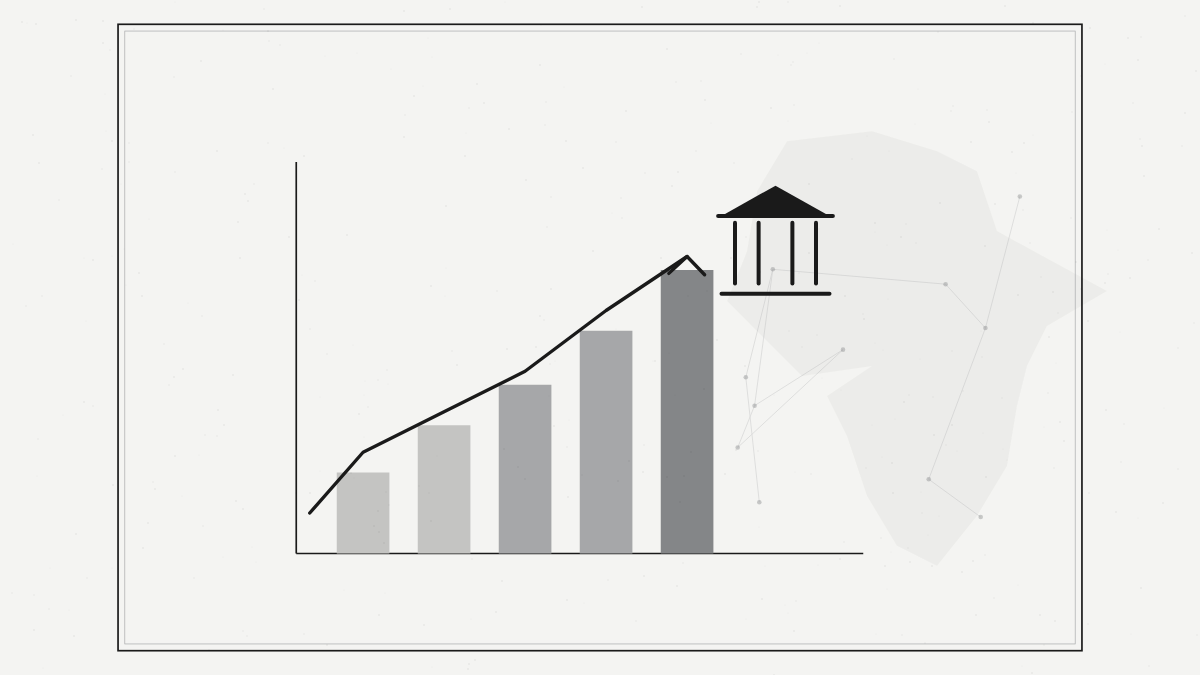
A diamond-dependent economy does not get to choose the weather it trades in. When the World Bank lowered its 2026 global growth outlook and warned that the figure could fall much further if conflict fallout spreads, it described a world that buys fewer luxuries, finances fewer projects and moves with more caution. Botswana sits at the receiving end of that caution, with a revenue base tied to discretionary demand in markets thousands of kilometres away. The downgrade is not a forecast of crisis so much as a warning about thinner margins everywhere, and thin margins abroad have a way of becoming budget problems at home.
For Gaborone, the question is less whether the precise number is right and more how a slower world transmits into the Pula, the national budget and the order books of exporters. A small, open economy is, by definition, a price-taker on the things that matter most to it. When global growth is revised down, Botswana does not get a vote on the revision; it gets the consequences. The useful response is to understand the channels through which a cooler global economy reaches the country, and to prepare for each of them rather than hope the downgrade proves too pessimistic.
Slower growth, softer demand for what Botswana sells
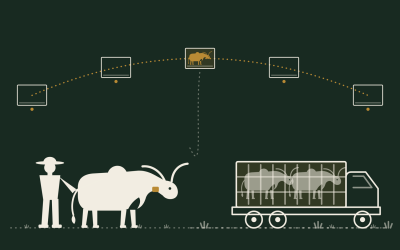
Botswana's two principal exports, diamonds and beef, are both demand-sensitive in different ways. Polished diamonds depend on consumer confidence in the United States, Europe and East Asia, where a diamond is among the first purchases postponed when households turn cautious. The EU beef market rewards stable, premium buyers whose appetite softens when budgets tighten. When the World Bank trims the global outlook and flags a possible deeper drop, it is describing the same households and importers whose spending sets the price Debswana and the BMC can command.
A weaker global consumer does not announce itself in Gaborone. It arrives quietly, as auctions that clear at lower prices and contracts negotiated harder than the year before. By the time it shows up in the figures, the decisions that produced it were taken in shopping streets far away. That lag is precisely why a forward-looking downgrade matters: it gives a producer nation a little time to brace before the softer demand reaches its sales.
When the world spends less, Botswana's luxury and premium exports feel it first.
The conflict-spillover scenario is the one to watch
The Bank's sharper warning concerns what happens if war-related fallout spreads, dragging growth materially lower than the baseline cut. For Botswana, that channel runs through prices rather than the battlefield: costlier fuel and freight, disrupted supply chains and tighter global credit. A landlocked country that imports most of its fuel and much of its food carries that risk directly in its import bill, and a country that may need to borrow carries it again in the cost of that borrowing.
This is where a thin domestic buffer matters most. The narrower the fiscal room, the less a government can cushion households against an imported shock it did not create and cannot prevent. The spillover scenario is therefore not a distant abstraction but a stress test of how much absorptive capacity Botswana has left after a difficult diamond year, and of how quickly reserves and policy can respond if the worse case arrives.
The spillover risk reaches Botswana as a price shock, not a distant headline.
What a cautious world asks of Gaborone
A slower-growth baseline strengthens the case for the policy direction Botswana already names: broadening the revenue base beyond diamonds, protecting the foreign reserves managed by the Bank of Botswana, and keeping public debt within prudent limits. None of this is new, and that is the point. A downgraded global outlook removes the option of waiting for a strong external tailwind to do the work that diversification and discipline were always going to require.
The instruments are familiar ones. SACU receipts, tourism through Maun and Kasane, beef into the EU through the BMC, and the slower diversification agenda pursued through agencies such as CEDA and BITC all become more important precisely when diamonds disappoint. A cautious world rewards the economy that has more than one source of strength, and penalises the one that has only one. For Botswana, the downgrade is a reminder of which of those it is still trying to become.
Diversification stops being aspirational when the global baseline turns down.
The World Bank's message is measured rather than alarming, and Botswana should read it the same way. A slower world is harder to grow into, but it is also a world that rewards discipline, reserves and a wider tax base, all of which Botswana has the institutions to build. The downgrade is best understood not as a prediction to fear but as a description of the terrain ahead, and a reminder that the country's resilience has to be built at home, in the very years when the global economy offers it no help.
Sources: Reuters