
Economics – Macro & Markets · Editorial
By Moakanyi Magazine · June 2026
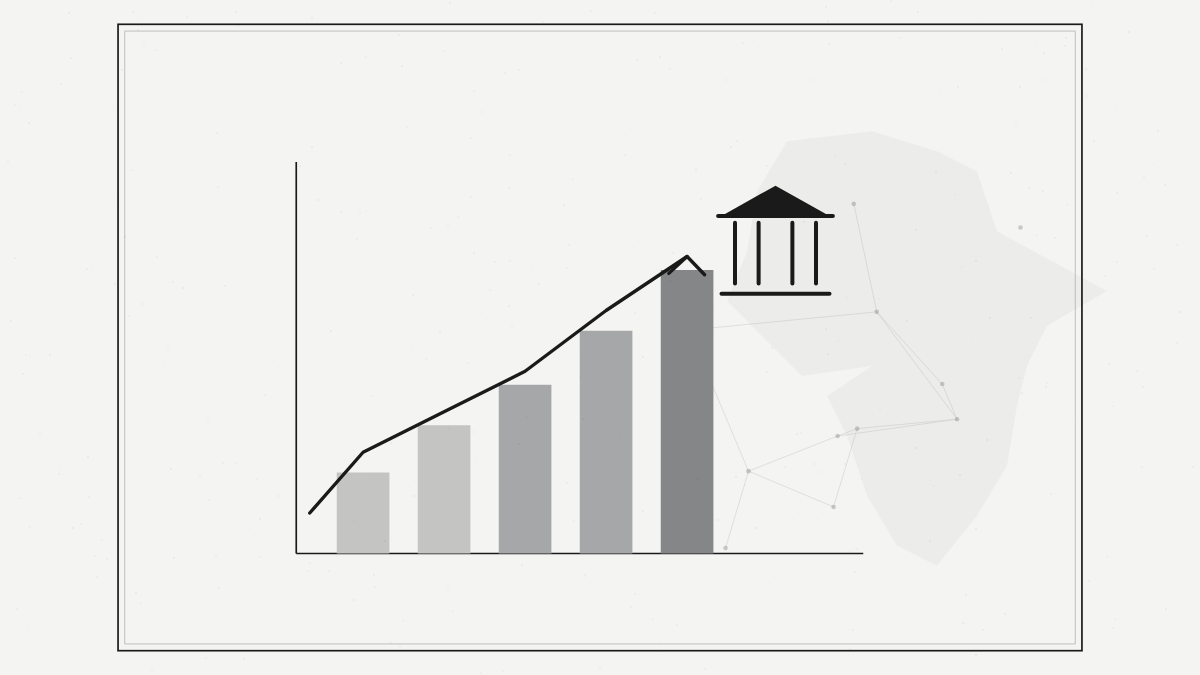
A small move in inflation can mean very different things depending on where it sits. The Bank of Botswana reported that headline inflation rose from 4.0% to 4.2% in March 2026, driven by higher transport and food costs. It is an uptick, not an alarm: the figure remains well within the 3 to 6% band the central bank watches, and the drivers are the familiar exposures of a small, landlocked, import-dependent economy rather than a sign of overheating demand at home. That the pressure comes from transport and food – the categories most exposed to fuel prices and seasonal supply – rather than from broad-based demand tells its own story about how little of it the policy rate can address.
The Drivers: Transport and Food
Both transport and food costs tend to track external forces – global fuel prices, the import bill, the exchange rate against the rand and harvest conditions – more than domestic monetary policy. A 0.2 percentage point rise led by these categories looks less like an overheating economy and more like the ordinary transmission of imported costs into local prices, which the policy rate cannot reach without needlessly cooling demand.
When transport and food lead, the pressure is usually imported, not domestic.
The reassurance is in the level. At 4.2%, inflation sits comfortably inside the Bank of Botswana's target range, leaving room to keep prioritising stability rather than reaching for the brake – consistent with its recent decision to hold the policy rate steady. For operators and households, the signal is to watch the trend rather than the month: not this small step up, but whether transport and food pressures ease with the next harvest and fuel cycle, or compound into something the Bank can no longer look through.
Sources: Bank of Botswana