
Economics – Global & Regional · Editorial
By Moakanyi Magazine · June 2026
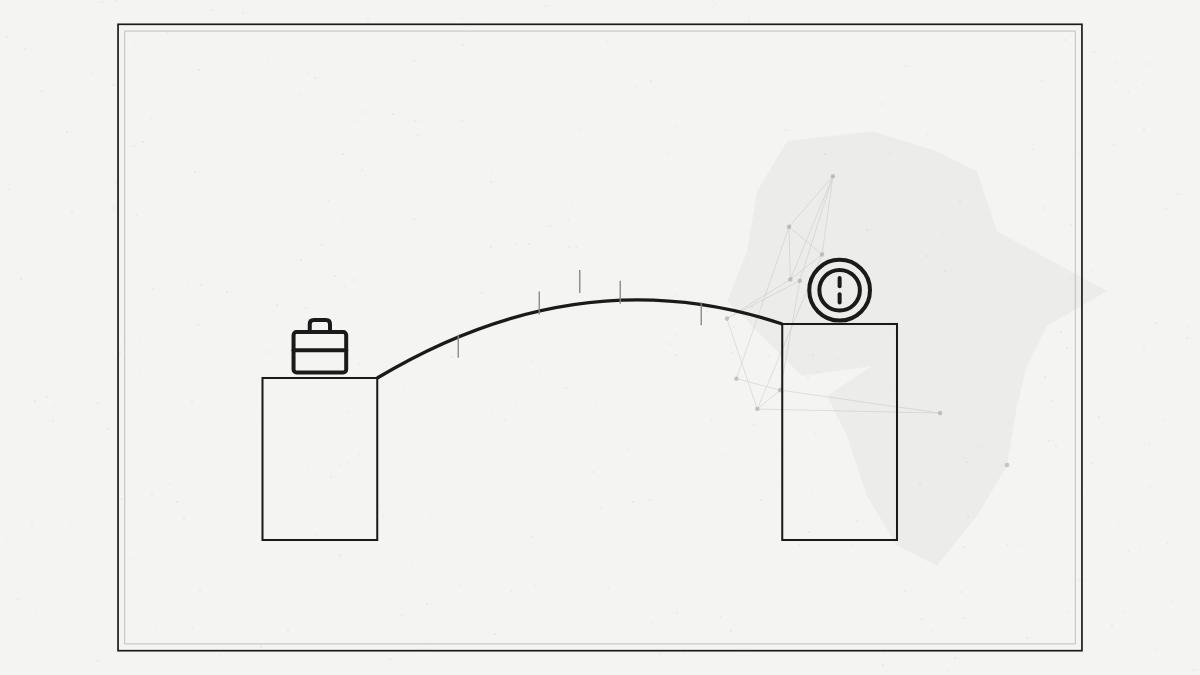
Bilateral goodwill is cheap; bilateral machinery is not. The difference between a friendly relationship and a working one is whether there is a standing structure to meet inside, with an agenda that survives changes of personnel and government. In June 2026, Botswana and Lesotho upgraded their cooperation to a Bi-National Commission, promising coordinated policies and a business forum.
The Upgrade: From Goodwill to Structure
A Bi-National Commission is a deliberate step up from ad hoc contact – it gives two governments a regular table and a fixed agenda rather than waiting for occasion or crisis to convene. That formalisation is the substance. Standing structures outlast the officials who create them, build institutional memory and give the private sector a predictable point of contact, which is what turns diplomatic warmth into something a business can plan around.
The promised business forum is what would give the structure economic content. Both countries sit inside SACU and SADC already, so the headline frameworks exist; what a forum adds is the granular work of aligning regulation, easing the movement of goods and surfacing concrete deals between two economies that rarely feature in each other's trade statistics.
Goodwill makes a meeting; a commission makes a habit.
The logic is sound for two small, landlocked economies that share a customs union and a constrained negotiating weight – pooling effort where their interests align costs little and can shift outcomes in larger rooms. But the test of any commission is traffic, not text. Coordinated policy and a business forum are worth what they move – deals closed, rules aligned, goods crossing – and for Botswana operators the thing to watch is whether the structure produces a counterpart to call, or simply another communique to file.
Sources: allAfrica